Electric underfloor heating in Campbelltown
We install electric underfloor heating across Campbelltown, where Council's own guide sets the concrete, the cover and the cure for a new slab. It asks for 20mm of cover to an internal surface, and a cure of at least seven days. That cure is the longest in any area we cover. Separate houses are 78.3% of homes here and townhouses and semis another 15.2%. The two stations that measured this area have both closed, and both recorded about 25 nights a year at or below 2°C. Under tile heating mats into a bathroom retile are the job we are asked for most here.
The benefits of electric underfloor heating in Campbelltown
Separate houses are 78.3% of homes here, semis and townhouses 15.2% and flats only 6.4%. One of the reasons below comes from the coal under the ground. The rest come from the age of the housing and the shape of the rooms inside it.
The heating goes in while the tiles come up
Of the houses standing here today, about 86% were already standing in 2006 as well. Under tile heating mats go into the tile bed on the day the new tiles are laid. The benefit is that the floor is opened once rather than twice, which is the whole case for doing it now. The railway corridor belt holds 47% of the homes here and its bathrooms are mostly untouched.
Both growth estates sit over a coal district
The South Campbelltown Mine Subsidence District covers 11% of this area and held 629 homes in 2021. Both of the new growth estates sit inside it, and the Appin district is named alongside. The benefit of under tile heating mats is that a retrofit here needs nothing at all from Subsidence Advisory. On a new build the plans are stamped by Subsidence Advisory before the development application is lodged.
The closed stations recorded frosty mornings here
The station at the Campbelltown swimming centre recorded 25 nights a year at or below 2°C. Its July mean minimum was 3.2°C, and the Glenfield station recorded the same count of nights. Camden Airport a few kilometres west still records more, which brackets what this area is likely to be. The benefit of under tile heating mats is a bathroom floor already warm on a morning like that.
A doorway decides the system in a villa
There are 3,917 single storey villas in this area, fifth of all thirty nine we cover. Under tile heating mats add the least of our three systems, so the threshold at the door stays where it is. In screed heating cable adds more and holds its heat longer, which suits a room being rebuilt. The benefit is that we measure at the door first and then choose between them.
Lots of solar, and most of it is small
42.0% of houses here have rooftop solar, which is fifth of all thirty three councils in Greater Sydney. The average system is only 7.3 kilowatts, because much of the fleet went up early. The cheapest window on this network is the middle of the day rather than the evening. The benefit is that our thermostats put the floor heating into that window, and the tiles are still warm at seven.
Heritage here barely touches a home at all
Under tile heating mats go into an unlisted house here with nothing to lodge beforehand. There are 106 listed items in this area and not one of them names an interior. The single conservation area covers the Queen Street block and holds no houses at all. Council also says formal approval is not ordinarily required for routine minor maintenance.
What we would install in Campbelltown
About 86% of the houses standing here today were already standing in 2006, so the floor is usually down.
A mat under the tiles
The railway corridor suburbs hold 47% of the homes here and most of those bathrooms are original. Under tile heating mats go in under the new tiles and are the quickest of the three to warm up.
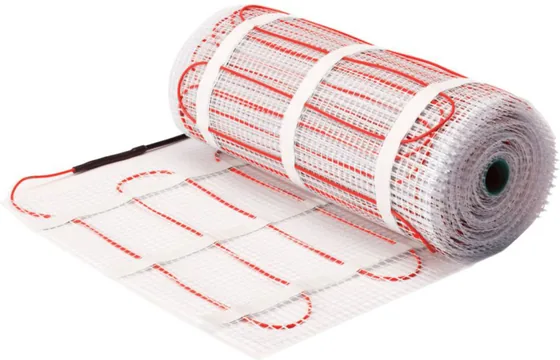 Under tile heating mats
Cable in a slab
About 945 new houses a year are approved here, fifth of all thirty nine areas, and Council's guide sets the cover. In slab heating cable ties into that same reinforcement and lives inside the 20mm of internal cover.
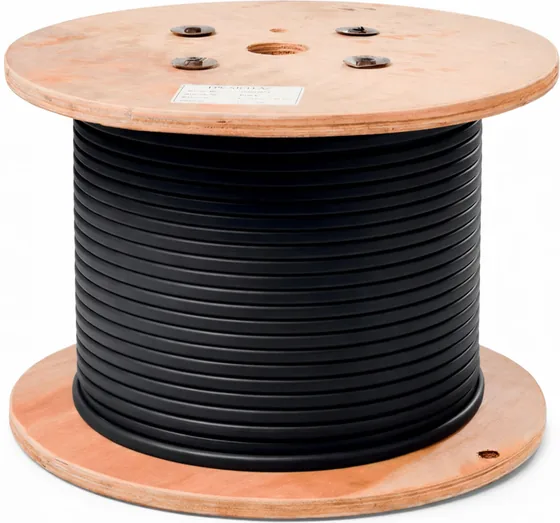 Slab heating cables, dual core
Cable in a screed
A 1950s cottage on piers has a floor with no mass of its own to hold heat. In screed heating cable is bedded into the topping, which gives that floor the mass it lacks.
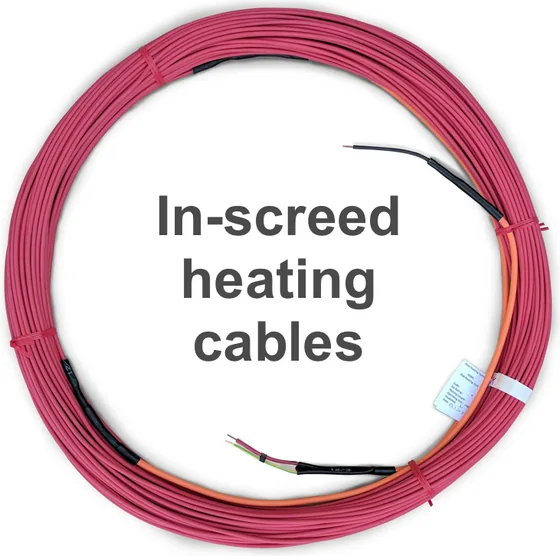 In screed heating cable
Why Campbelltown properties choose us
We install across Campbelltown and the rest of the Campbelltown area, and we size every job from your floor plans before we quote. Installation is always subject to checking installer availability, which we do before we agree a day.
How we install underfloor heating in Campbelltown
Plans first, then a quote
Send us the plans for your new home, renovation, office or hotel. We measure the heated areas from them, calculate the cable size and quote the materials. If you want us to install, a second quote covers the installation labour. Nothing is ordered and no day is booked until you accept.
Installation day
Once you accept and tell us the job site is ready, we agree a day, subject to checking installer availability. The floor has to be prepared and ready before that day: your own trades handle levelling, waterproofing and anything else above the slab. Our installer lays the cable or the mat, fits the thermostat, and tests the system with our own equipment before leaving site. Your tiler covers it with the screed or the tile bed.
In a strata building the path is different again
In a New South Wales strata scheme the lot boundary generally sits at the upper surface of the floor. The slab underneath belongs to the building rather than to you. We lay the mat into the tile bed instead of touching that slab, and nothing is drilled or chased into it. Installing hard flooring, and the wiring and power points that come with it, is a minor renovation under the Strata Schemes Management Act 2015. Waterproofing is carved out of that definition, so a full bathroom rebuild goes to a special resolution rather than an ordinary one. Your builder or project manager deals with the owners corporation, and we build to whatever that approval allows.
Two in three homes here are built without a DA
Council records that approximately two out of every three dwellings here are approved and constructed as complying development. That changes who we deal with, because a certifier rather than a planner holds the conditions. The heating has to be on the drawings that certifier is working from. Only about three per cent of approvals in a recent year involved a demolition. So most new building here happens on land that was never built on. Council's standard hours are the unremarkable part of all this. A 2026 standard condition sets work at 7am to 6pm Monday to Friday and 8am to 5pm on Saturday. There is no work at all on a Sunday or a public holiday. There is no out of hours permit and Council holds no damage bond on a house. In a subsidence district the stamp from Subsidence Advisory comes before the application. The benefit is that in slab heating cable is drawn in before that stamp rather than after it.
Underfloor heating for Campbelltown homes
A townhouse area as much as a house one
Semis, terraces and townhouses are 15.2% of homes here, which is thirteenth in the state by count at 8,701. Single storey villas account for 3,917 of them, fifth of all thirty nine areas. Separate houses are 78.3% and flats only 6.4%, with fewer than half of those flats standing in 2011. The average home has 3.3 bedrooms and 44.3% have exactly three. Under tile heating mats suit the villa, because floor height at the door decides the system there.
The public housing stock is being rebuilt, not added to
Social housing is 8.75% of homes here, which is third in the state and the highest of any area we cover. State housing alone is 7.92%, which is first in the state. That share is falling rather than rising, from about 12.2% in 2006 to 7.9% in 2021, because renewal has demolished and rebuilt. The state lost 409 of its homes here between 2011 and 2021, the third largest fall anywhere. In slab heating cable goes into those rebuilt homes with the steel, before any concrete is poured.
The newest estates sit over the oldest workings
Denham Court with Bardia is 91.3% post 2011, which makes it the sixth newest area of 620 in the state. At the other end, Claymore with Eagle Vale and Raby added only 3.2% across the same decade. The two growth fronts at Gilead and Menangle Park both sit inside the South Campbelltown Mine Subsidence District. Gilead also sets aside 230 hectares of land as koala corridors. About 62% of this area is bush, range and farmland, and in 2021 that land held only 1.6% of the homes. So in slab heating cable is the system those two growth fronts ask for, with the stamp coming first.
Winter mornings in Campbelltown
Two stations measured this area, at the Campbelltown swimming centre and at Glenfield, and both have closed.
- July nights
3.2°C at the Campbelltown station 068081 inside this area, against 8.1°C at Observatory Hill. A tiled floor sits close to that overnight, and it is the first thing a bare foot meets in the morning.
- Frost
25 nights a year at or below 2°C at Campbelltown, with 9 of them at or below zero. The overnight low is what decides how cold the floor is at seven in the morning.
- Summer
12 days a year at or above 35°C at Campbelltown and 9 at the Glenfield station. Heating is a winter item here, and a thermostat on a timer draws nothing for the rest of the year.
- Climate zone
Zone 6 everywhere inside this boundary, which models 56 megajoules per m² a year for a heated slab. Insulation under the heating is what keeps the warmth in the room, and it is sized from that zone.
Get a free quote in Campbelltown
Tell us what you need done in Campbelltown and we will get back to you with a price as soon as we can. There is no obligation to go ahead.
Services we provide in Campbelltown
New home builds
Home renovations
Bathroom renovations
Apartments
Hotel bathrooms
Office buildings
Cold storage and frost heave
Suburbs we service in Campbelltown and surrounds
We install across the Campbelltown area and the surrounding localities, and we check installer availability before we agree a day. If your suburb is not listed below, contact us and we will confirm coverage.
Frequently asked questions about Campbelltown
Do you cover every suburb in the Campbelltown area?
Yes. We install across the Campbelltown area and the surrounding localities, including every suburb listed on this page. We check installer availability before we agree a day, which is the one condition that travels with every job. If your suburb is not shown, contact us with the address and we will confirm coverage before we quote.
What are your service hours in Campbelltown?
Our hours are Monday to Friday, 8am to 5:30pm, and we are closed on Saturday and Sunday. Plans and photographs can be sent at any time through the quote form on this page. If you need us on site in Campbelltown, the day is agreed once we have checked installer availability. It is worth sending the plans as early as you can.
Is a new slab still ahead of me in this area?
Yes, on about 945 houses a year, which is fifth of all thirty nine areas. Denham Court with Bardia is 91.3% post 2011, and Gilead and Menangle Park are still going up. On those blocks the cable goes in with the reinforcing steel, before any concrete arrives. Nothing is added to the floor height and nothing has to be made back at a doorway. The benefit of in slab heating cable is no build up at all, as long as it is drawn before the booking.
Does a mine subsidence district stop a heated floor?
No. The district covers 11% of this area and held 629 homes, and both growth estates sit inside it. What it changes is the paperwork on a new building, because plans are stamped by Subsidence Advisory before the application is lodged. A floor inside a house that already stands is not part of that. Both of this area's growth fronts are affected. The benefit is that under tile heating mats in an existing house need nothing from Subsidence Advisory.
How cold were the mornings when they last measured?
About 3°C in July, and frosty on roughly 25 nights. The station at the Campbelltown swimming centre recorded a July mean minimum of 3.2°C. It logged 25 nights a year at or below 2°C, 9 at or below zero and a low of minus 5.6°C. Glenfield recorded 25 such nights, and both stations have since closed. Camden Airport a few kilometres west still records 40 nights a year. The benefit of under tile heating mats is a warm tile floor on every one of those mornings.
What happens to the heating on a flood affected block?
It stays in the slab, which is the part Council already sets the height of. The plan asks a habitable floor to sit 300 to 500mm above the 100 year flood level. The heating cable goes inside that slab, so it is lifted with it. The thermostat is the only part on a wall, and it goes above the same line. The benefit is that in slab heating cable rises with the slab, so nothing we install sits below that line.
Who holds the conditions if there is no DA?
A certifier, and that is the usual case here. Council records that about two in every three dwellings in this area are approved and constructed as complying development rather than through a development application. The heating then has to appear on the drawings the certifier is working from, not on a consent. We set the heated areas and the circuits out early so they are in that set. In a subsidence district the Subsidence Advisory stamp still comes before that set is finished.
Explore our other Sydney service areas
Ready to get started?
Get a free quote for your job in Campbelltown, or call now and speak to someone who can help.