Electric underfloor heating in Central Coast
We install electric underfloor heating across the Central Coast, where the headlands and the valley floors have two different winters. There are 103,225 separate houses here, more than in any other area in the state, and that is what we are usually heating. At Norah Head a July night stays mild, while on the valley floor at Narara the frost settles. Under tile heating mats go in with a bathroom retile, and in slab heating cable goes into the new estates around Warnervale. Villa schemes, retirement villages and holiday cottages on the peninsula make up a large part of what we quote here.
The benefits of electric underfloor heating in Central Coast
Separate houses are 78.4% of the homes here and flats are 8.7%, so a heated floor is usually a whole room. Half of all households already run something on an off peak circuit for a heating load to join. The six reasons below come from the flood lots, the coal under the northern lakes, the villages and the two winters.
These switchboards already carry an off peak circuit
79,225 households here already run something on an off peak controlled load circuit, which is 50.2% of them. In slab heating cable and in screed heating cable store warmth in the floor and hold it for hours. Ausgrid names underfloor heating as a load that circuit may carry, and in winter it has power through the middle of the day. So the floor is still warm in the evening on power that came in overnight.
The flood rules here name the heating itself
Council's floodplain chapter says heating systems should be installed in spaces of the house above the designated flood level. The same chapter says slab on ground construction is generally not considered appropriate on a floodplain, which points to a raised floor. In screed heating cable goes into a topping on that raised floor, with the thermostat and the junctions kept up high. Closed cell insulation sits underneath, which the same materials table lists as flood compatible.
The northern lake lots allow only a plain slab
21,145 homes here sit in a mine subsidence district, almost all of them around the northern lakes. In slab heating cable suits the plain slab those lots allow, laid clear of the articulation joints. A guideline lot permits slab on ground and lightweight bearers and joists, and prohibits suspended, drop edge and stepped slabs. Internal alterations are exempt from subsidence approval, so under tile heating mats go into an existing bathroom with nothing to lodge.
Retirement villages and villa schemes are the everyday job
76,940 people here are aged 65 or over, which is the most of any area in the state. Under tile heating mats go in with the new tiles when a village bathroom is retiled. Village units and the villa schemes beside them are single storey, with tiled wet areas and no stairs to carry. Our thermostats set a floor temperature rather than a setting, and a timer decides which hours hold it.
More strata plans here than any area in the state
There are 4,651 strata plans here, the most of any area in the state, and most of them are small villa schemes. Three in five hold three lots or fewer, so the owners corporation is one or two neighbours rather than a committee. The lot owner has the tile bed above the slab, and the tile bed is where the heating goes. Under tile heating mats make a villa bathroom the most straightforward strata job on this list.
Two different winters inside one service area
The station that stood at Narara on the valley floor recorded about 14 nights a year at or below 2°C. Norah Head on the headland has never recorded one, and its July nights average warmer than the city's. Under tile heating mats are what a valley bathroom wants on those mornings, brought up on a timer before the household wakes. On the coast it is the tiles that are cold rather than the room, and the same mats answer that.
What we would install in Central Coast
Most floors here already exist, and that is what usually points to under tile heating mats rather than cable. The new estates around Warnervale are the other half, where the cable goes in before the pour.
A mat under the tiles
A bathroom retile is the commonest job here, in a villa, a village unit or a holiday cottage. The mat sits inside the tile bed, so nothing below the tiles has to come up first.
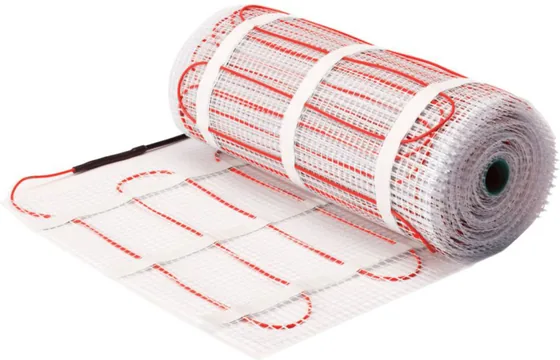 Under tile heating mats
Cable in a slab
About 811 new houses a year are approved here, and the growth area north of Wyong takes a large share. Cable is tied to the slab reinforcement and tested before and after the concrete goes in.
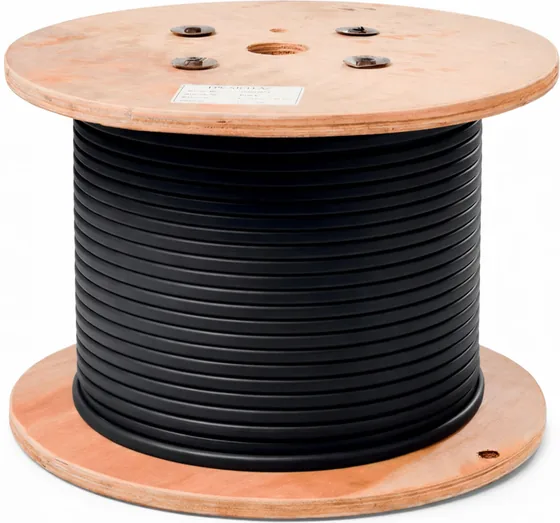 Slab heating cables, dual core
Cable in a screed
A screed suits the raised floors a flood lot now gets, and the pole frame houses on the Terrigal slopes. Cable goes into the topping, and the heated rooms sit above the flood planning level.
 In screed heating cable
Why Central Coast properties choose us
We install across Central Coast and the rest of the Central Coast, and we size every job from your floor plans before we quote. Installation is always subject to checking installer availability, which we do before we agree a day.
How we install underfloor heating in Central Coast
Plans first, then a quote
Send us the plans for your new home, renovation, office or hotel. We measure the heated areas from them, calculate the cable size and quote the materials. If you want us to install, a second quote covers the installation labour. Nothing is ordered and no day is booked until you accept.
Installation day
Once you accept and tell us the job site is ready, we agree a day, subject to checking installer availability. The floor has to be prepared and ready before that day: your own trades handle levelling, waterproofing and anything else above the slab. Our installer lays the cable or the mat, fits the thermostat, and tests the system with our own equipment before leaving site. Your tiler covers it with the screed or the tile bed.
In a strata building the path is different again
In a New South Wales strata scheme the lot boundary generally sits at the upper surface of the floor. The slab underneath belongs to the building rather than to you. We lay the mat into the tile bed instead of touching that slab, and nothing is drilled or chased into it. Installing hard flooring, and the wiring and power points that come with it, is a minor renovation under the Strata Schemes Management Act 2015. Waterproofing is carved out of that definition, so a full bathroom rebuild goes to a special resolution rather than an ordinary one. Your builder or project manager deals with the owners corporation, and we build to whatever that approval allows.
The flood level decides where the heating can go
Council's standard hours here are 7am to 5pm on a weekday and the same again on a Saturday. Sundays and public holidays are out altogether in every consent read. There is no exemption for quiet internal work the way there is in some areas, and no out of hours permit either. A skip or a hoarding on the road reserve is charged by the week for the area it takes up. A work zone is priced by the sign and by the metre of kerb. An infrastructure deposit is payable on an alteration or on a new house. What governs the order of work here is the flood planning level. On the Woy Woy peninsula and along the lake shores that level is the 1% flood level plus 500mm of freeboard. A mine subsidence allowance is added where the lot carries one. Wiring, outlets and the meter box have to sit above it, and heating should. So the level is settled from a flood certificate before the heated rooms are set out, rather than after the tiler has started. On a subsidence lot in the north the slab detail is agreed with the engineer first, and the cable layout goes with it.
Underfloor heating for Central Coast homes
A house area before it is anything else
There are 103,225 separate houses here, more than in any other area in the state, and they are 78.4% of the homes. 69.6% of the flats here sit in walk up blocks of three storeys or less. 48,346 homes have four bedrooms or more, which is second in the state by count, and 34.5% are owned outright. So most of what we price here is an owner occupied house with a long run of tiled floor in it.
Eight belts, from the Gosford towers to the plateau farms
The corridor suburbs built from the 1970s to the 1990s are the largest belt at 22% of homes. They run through Kariong, Erina, Green Point, Narara, Berkeley Vale and Bateau Bay. Those are brick veneer project homes on slab on ground. The Woy Woy peninsula holds 13% of the homes and 23% of all the semis, at Umina Beach, Ettalong Beach, Blackwall and Booker Bay. The Gosford belt is 88.0% flats and holds every tower block, while the hinterland is 2% of homes and 96.4% houses. No suburb here reaches 8,000 homes, so the area is a chain of about 140 towns and villages rather than a city.
Holiday cottages and retirement villages, in the same stock
Pearl Beach was 59.4% unoccupied on Census night, Patonga 50.9% and Killcare 47.2%, and The Entrance alone held 1,229 empty homes. Those are weekenders and holiday houses, described as mid twentieth century bungalows clad in boards or sheets, some on tall piers. A timber floor on piers is heated from above with mats under the new tiles. 3,301 homes here are held on life tenure, the most of any area in the state, in villages at Wyoming, Kincumber, Erina and Forresters Beach. Land lease home villages sit around the northern lakes at Chain Valley Bay, Lake Munmorah and Halekulani.
Winter mornings in Central Coast
Three stations are open inside this area: Norah Head on the headland, Gosford on the Brisbane Water foreshore and Mangrove Mountain on the plateau.
- July nights
9.9°C at Norah Head on the headland and 4.7°C at the Narara station on the valley floor. A tiled floor sits close to that overnight, and it is the first thing a bare foot meets in the morning.
- Frost
About 14 nights a year at or below 2°C at Narara, 6 at Mangrove Mountain and none at Norah Head. The overnight low is what decides how cold the floor is at seven in the morning.
- Summer
8 days a year at or above 35°C at Gosford on the foreshore, with a record high of 44.4°C. Heating is a winter item here, and a thermostat on a timer draws nothing for the rest of the year.
- Climate zone
Zone 5 on all land here, and the energy rating scheme puts 99.5% of these homes in the Williamtown zone. Insulation under the heating is what keeps the warmth in the room, and it is sized from that zone.
Get a free quote in Central Coast
Tell us what you need done in Central Coast and we will get back to you with a price as soon as we can. There is no obligation to go ahead.
Services we provide in Central Coast
New home builds
Home renovations
Bathroom renovations
Apartments
Hotel bathrooms
Office buildings
Cold storage and frost heave
Suburbs we service in Central Coast and surrounds
We install across the Central Coast and the surrounding localities, and we check installer availability before we agree a day. If your suburb is not listed below, contact us and we will confirm coverage.
Frequently asked questions about Central Coast
Do you cover every suburb in the Central Coast area?
Yes. We install across the Central Coast and the surrounding localities, including every suburb listed on this page. We check installer availability before we agree a day, which is the one condition that travels with every job. If your suburb is not shown, contact us with the address and we will confirm coverage before we quote.
What are your service hours in Central Coast?
Our hours are Monday to Friday, 8am to 5:30pm, and we are closed on Saturday and Sunday. Plans and photographs can be sent at any time through the quote form on this page. If you need us on site in Central Coast, the day is agreed once we have checked installer availability. It is worth sending the plans as early as you can.
Is the Central Coast colder than Sydney?
No, not on the coast. Norah Head on the headland averages 9.9°C on a July night, warmer than Observatory Hill in the city. It has never recorded a night at or below 2°C. The valley floors are the cold half. The station that stood at Narara recorded a July mean minimum of 4.7°C and about 14 frosty nights a year. A tiled floor still feels cold at either end of that.
What do the mine subsidence districts here change?
No. Internal alterations sit on the exempt list for a mine subsidence district, and that list names bathrooms, kitchens, toilets and internal partitions. Nothing structural is exempt. So a retile inside the Swansea North Entrance, Wyong or Hue Hue districts takes no subsidence paperwork. Under tile heating mats go in with the new tiles. A new slab is governed instead, and the lot's own guideline decides what that slab may be.
Can a heated floor run on an off peak circuit here?
Yes, and half the switchboards here already carry one. 79,225 households, 50.2% of them, run something on an off peak controlled load circuit, usually the hot water. Ausgrid lists underfloor heating among the loads that circuit may carry. It needs its own permanently wired connection, which your electrician and your retailer arrange between them. On a smart meter it has power overnight and again through the middle of a winter day.
Where does the heating go on a flood affected lot?
The floodplain chapter asks for heating systems to sit in spaces of the house above the designated flood level. Wiring, outlets and the meter box go above it too, and a residual current device is required. That level is the 1% flood level plus 500mm of freeboard, taken from a flood certificate. On the peninsula and the lake shores it usually means the heated rooms sit on a raised floor, insulated underneath with closed cell boards.
Which system suits a new house at Warnervale?
In slab heating cable, laid before the pour. About 811 new houses a year are approved across this area. The growth area around Warnervale, Woongarrah and Hamlyn Terrace takes most of them. Those are engineered slabs, so the cable is tied to the reinforcement and tested before and after the concrete goes in. On a lot in a subsidence district the slab detail is agreed with the engineer first.
Explore our other Sydney service areas
Ready to get started?
Get a free quote for your job in Central Coast, or call now and speak to someone who can help.