Under-tile heating mats
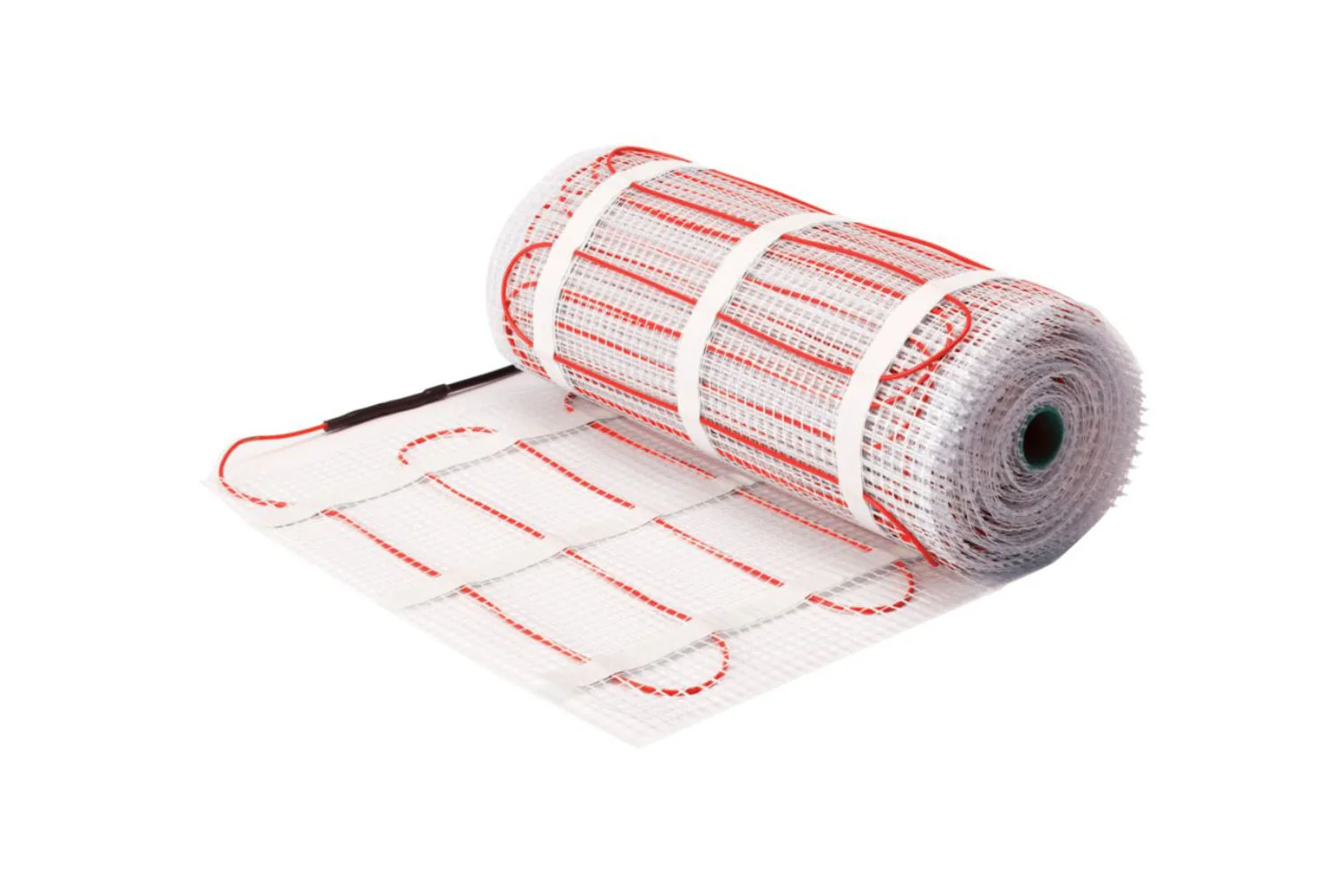
An electric under tile heating mat, and the quickest way to put a heated floor into a bathroom or kitchen being retiled. The heating cable is already spaced and fixed to its mesh. At 3mm it rolls out onto the floor you have and tiles straight over. It is the heating we sell most of, because it goes in quickly and takes almost no floor height.
In stock
Free delivery Australia wide on orders of $100 and over, in 3 to 5 business days. $15 delivery below $100. Or pick up free from Ingleburn. Not sure it is the right part? Call 02 9829 2752.
About the Under-tile heating mats
Under tile heating mats are the quickest way to put electric underfloor heating into a bathroom, kitchen or living area that is being retiled. The heating mat is 3mm thick and rolls straight out onto the floor you already have.
It sits in the tile adhesive, in a screed, or under natural stone. A floor sensing thermostat then holds the surface at the temperature you set.
Under tile mats employ a dual conductor, low-profile constant wattage technology with a fluoropolymer jacket, surrounded by mesh ground wires that provides superior mechanical and chemical protection and generates no measurable EMF.
- Self-adhesive, 3 mm thick underfloor heating mat for direct installation under ceramic tiles, in-screed or under natural stone.
- Only 3 mm thick! one cold lead (dual wire system).
- Ideal as direct underfloor heating for embedding in tile adhesive or filler underneath the top floor.
- Minimum construction height including tiles is 15 mm.
- Applications: Living rooms, kitchens, bathrooms, dining rooms, children’s room, outdoor entertainment area.
Where a heating mat is the right choice
- Bathrooms, ensuites, laundries and tiled upper floors.
- Rooms of a regular shape with a tiled finish.
- A renovation where the floor level cannot rise. The heating mat plus its tile bed is the shallowest of the four systems we sell.
- Not under a formed shower base, a vanity, a pan or anything fixed to the floor. The heating cable has to be covered by the bed and it cannot sit in a void.
How the heating mat is installed
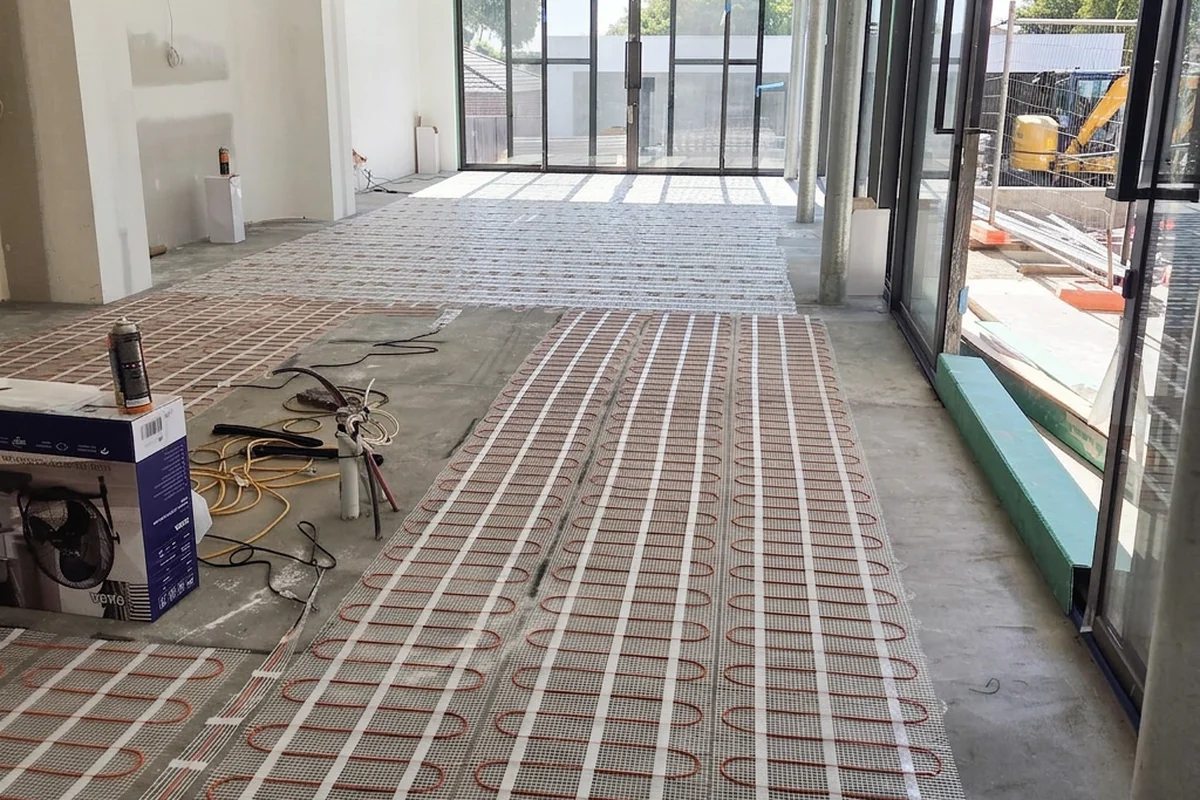
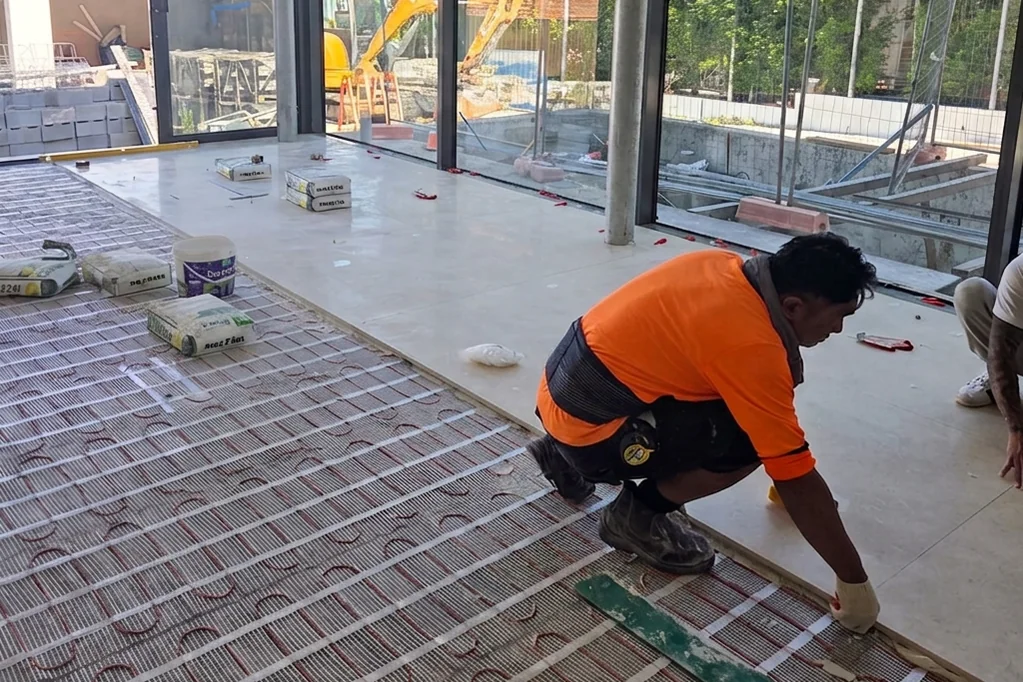
The heating cable is already spaced and fixed to the mesh, so there is no setting out on site. You unroll it, cut the mesh to turn a corner, and tile straight over the top.
There are no ducts, fans, consoles or vents. Nothing goes on the wall but the thermostat, so your wall and floor space stays yours to decorate.
Two conduits are set in the wall before the plasterboard goes on. One carries the cold tail and the other holds a capped sleeve for the floor sensor.
Talk to your builder, your architect or the installer at the planning stage rather than at tiling. The conduits go in before the wall is closed up.
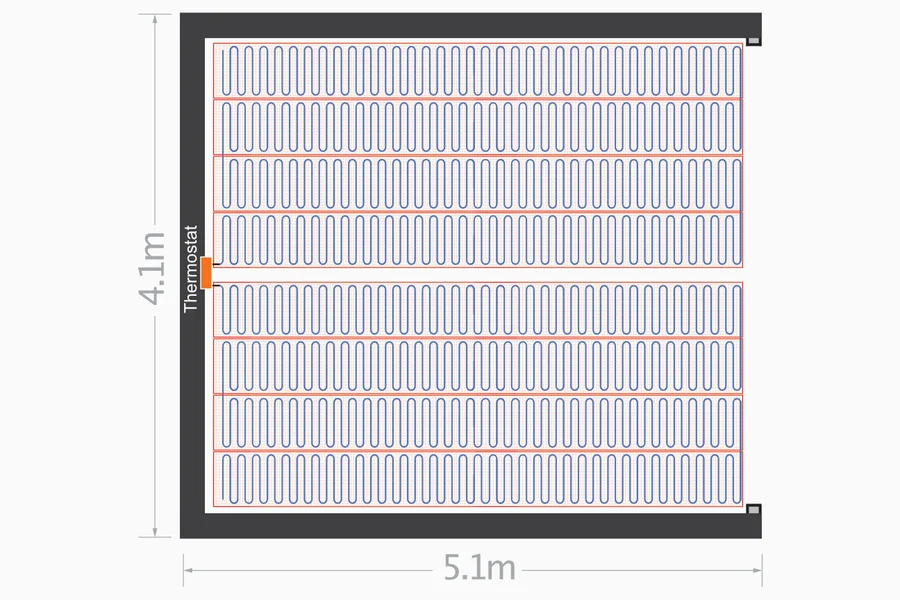
Work out your heating area
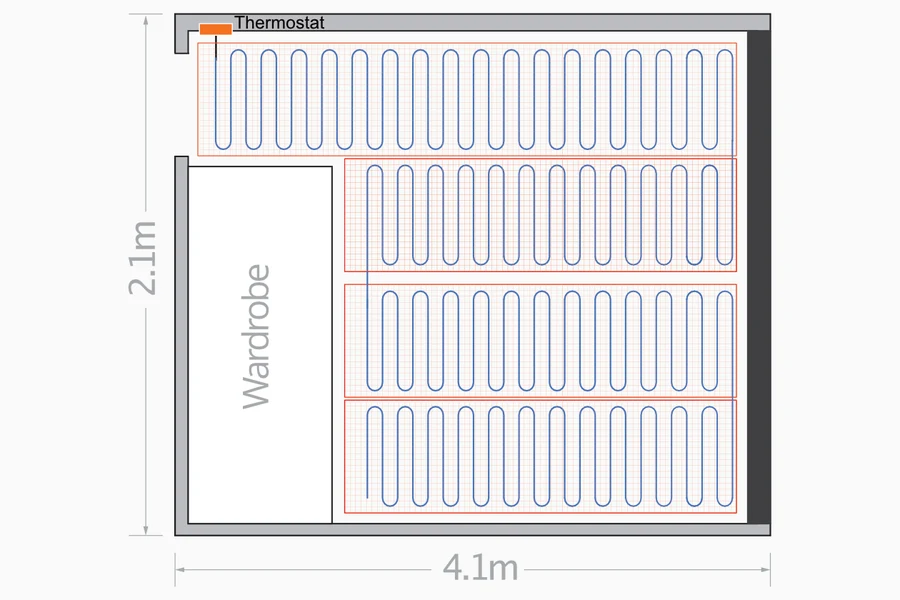
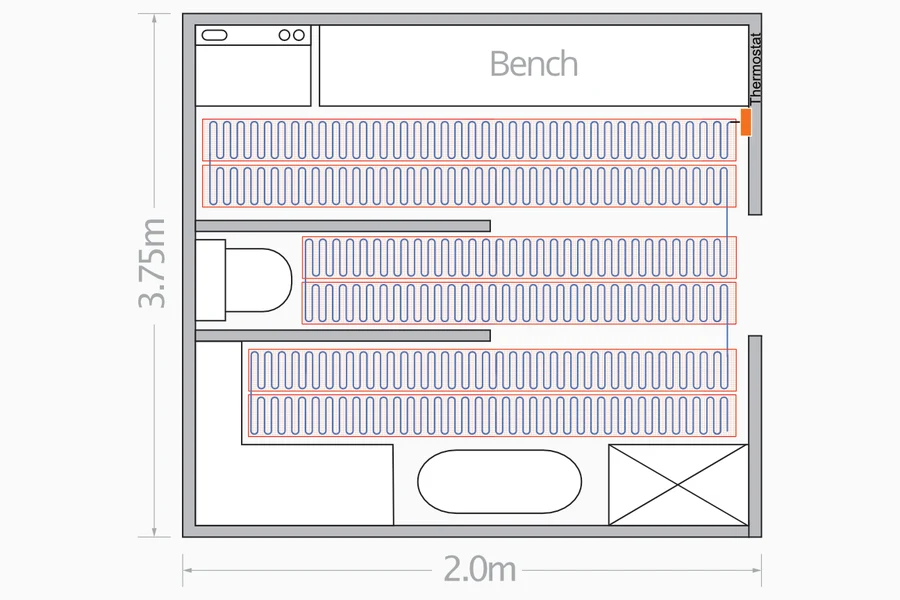
Measure the floor you want warm, then take off anything permanent. A wardrobe, a vanity, a kitchen bench and a bath need no heating under them. In a small bathroom of 3 to 4m² that can come to about a third of the floor. In a bathroom of 5m² or more it is closer to 70% heated. Either way we can measure it from your plans.
Compatible floor coverings
The heating mat sits in the tile bed rather than under the finish, so almost any floor covering can go over it. Every covering below is compatible with our under tile heating mats, with two conditions worth reading.
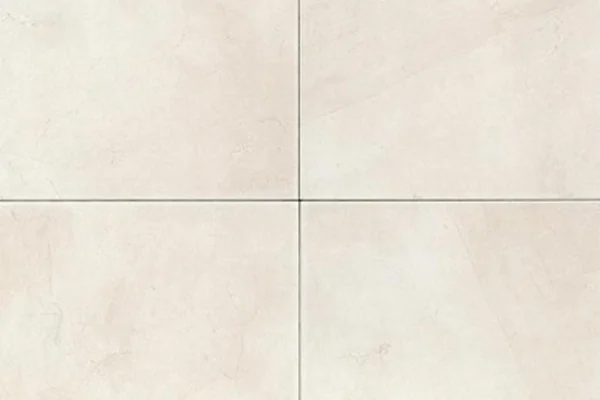 Ceramic tiles
 Terracotta tiles
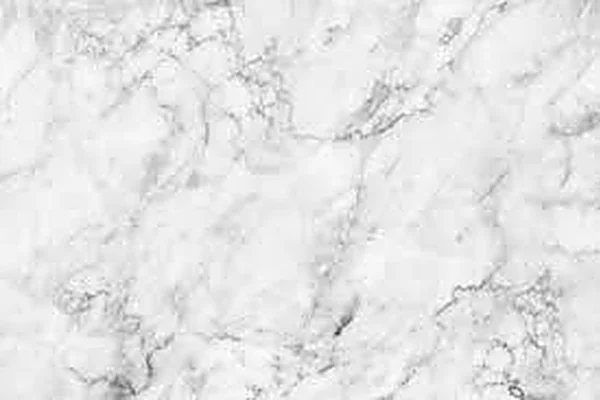 Marble
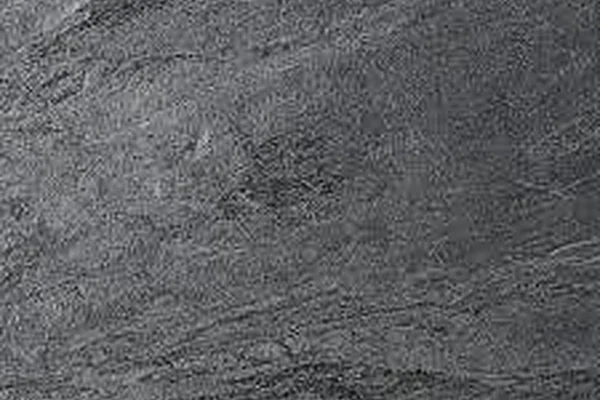 Granite
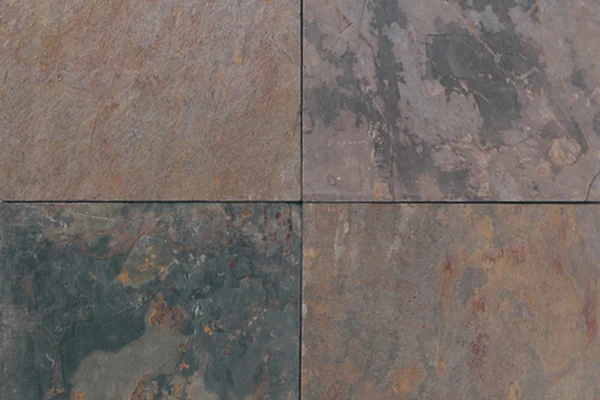 Slate
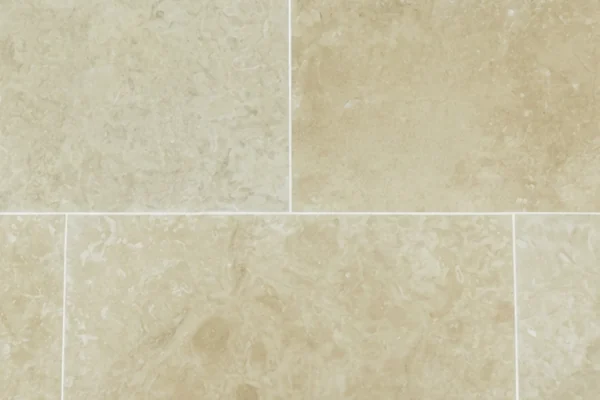 Travertine tiles
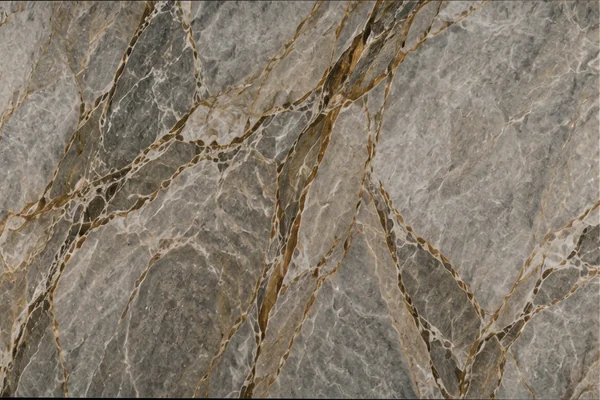 Quartzite floor tiles
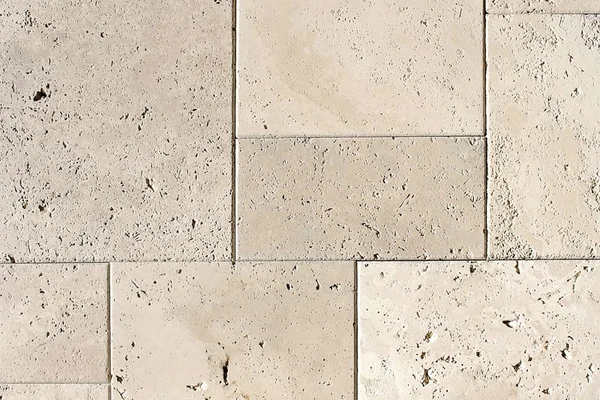 Stone tiles
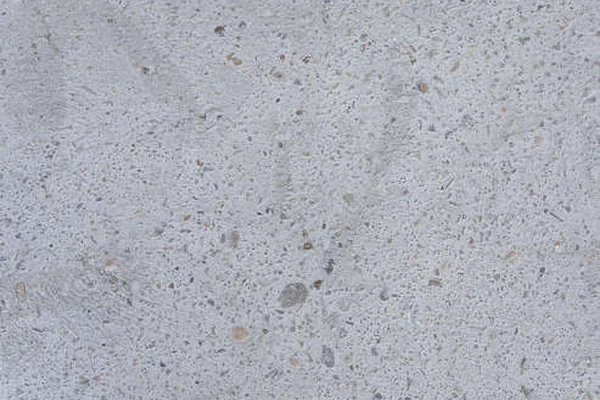 Concrete
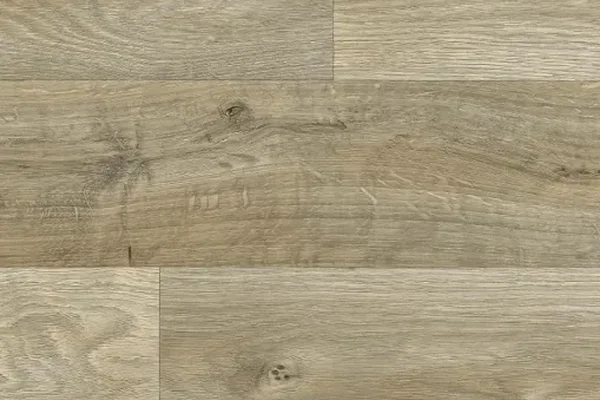 Engineered wood
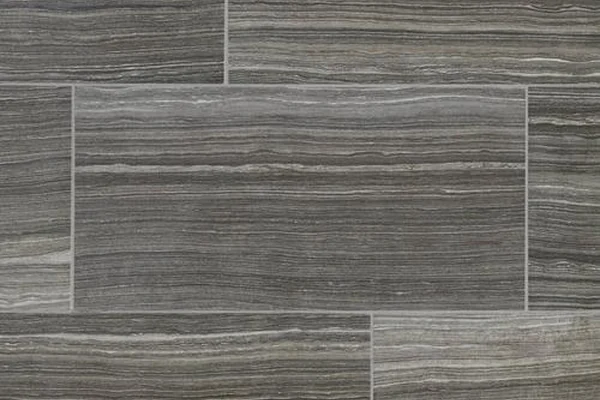 Laminate flooring
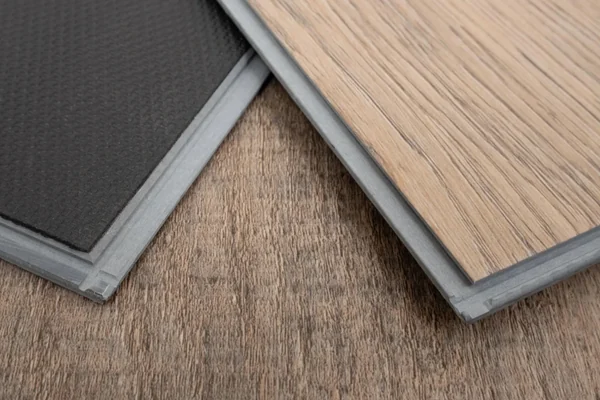 Hybrid flooring
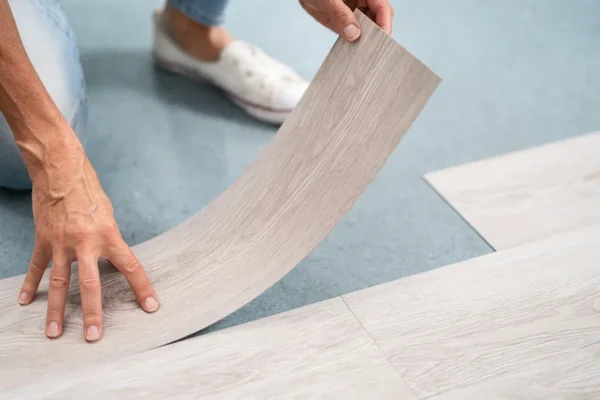 Vinyl flooring
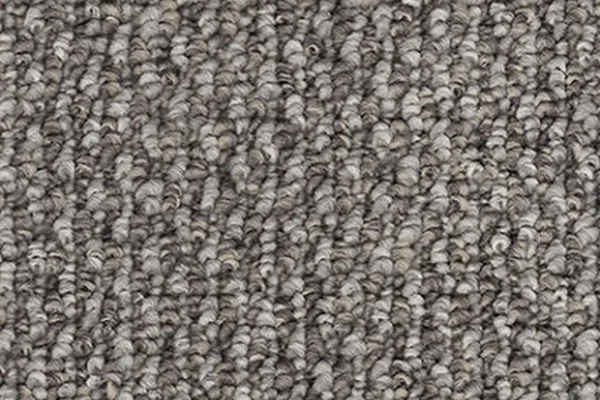 Carpet
Engineered wood is only laid on a fully dry subfloor. That usually means running the heating first to drive the last of the moisture out of the slab before the boards go down.
Some water based latex adhesives soften above 40°C. Where your tiler uses one, the thermostat is set to a maximum of 25°C.
What the warmth is like
The heat comes off the whole floor rather than out of one grille. It arrives where you feel the cold first, with no draught and no noise.
A heating mat sits close to the surface, so it answers the thermostat quickly. That suits a room you heat for a few hours at a time.
Why a heated tiled floor is worth having
- Comfortable and safeNo exposed hot surfaces, no flame and no fumes. A floor sensing thermostat holds the floor at a comfortable temperature, which matters in a home with young children or older residents.
- Nothing to serviceThe heating mat goes under the tiles and stays there, with no moving parts, no filters and no fan. There is no annual service to book. The floor sensor sits in a conduit sleeve rather than in the floor, so it can be replaced without lifting a tile.
- Warm when you want it, off when you do notThe thermostat can be set to your requirements or adjusted to programmed settings.
- It goes down before the tilesThe heating mat is laid on top of the existing floor, and the tiles are laid after the floor heating is fixed in position.
- Your floor covering is still your choiceTile and stone are what a heating mat is made for. The grid above lists everything else it works under. The thermal resistance table beside it is the one thing to check before you settle on a thick carpet.
- Silent, with no draughtNo fan and no airflow, so nothing clicks, hums or blows dust around a room. A bathroom with floor heating is as quiet as one without it.
Technical details
- Power output
- 200 W/m²
- Voltage
- AC 230 V
- Cable spacing
- 80 mm
- Insulation outer jacket
- Fluoropolymer (FEP)
- Cold lead length
- 2m
- Heating cable diameter
- 3.4 mm
- Minimum bending radius
- 30mm
- Heating mat material
- Fiberglass; self-adhesive
- Net Width
- 50cm
- Warranty
- 25 years. See the warranty terms.
What’s in the box
- Under tile heating mat
- Conduit and brass end cap for sensor
- English manual
Under tile heating mats. 15 sizes.
| Heating area | Output | Heating mat length | Stock code |
|---|---|---|---|
| 1.0 m² | 0.2 kW | 2 m | TM1.0m2 |
| 1.5 m² | 0.3 kW | 3 m | TM1.5m2 |
| 2.0 m² | 0.4 kW | 4 m | TM2.0m2 |
| 2.5 m² | 0.5 kW | 5 m | TM2.5m2 |
| 3.0 m² | 0.6 kW | 6 m | TM3.0m2 |
| 3.5 m² | 0.7 kW | 7 m | TM3.5m2 |
| 4.0 m² | 0.8 kW | 8 m | TM4.0m2 |
| 4.5 m² | 0.9 kW | 9 m | TM4.5m2 |
| 5.0 m² | 1.0 kW | 10 m | TM5.0m2 |
| 6.0 m² | 1.2 kW | 12 m | TM6.0m2 |
| 7.0 m² | 1.4 kW | 14 m | TM7.0m2 |
| 8.0 m² | 1.6 kW | 16 m | TM8.0m2 |
| 9.0 m² | 1.8 kW | 18 m | TM9.0m2 |
| 10.0 m² | 2.0 kW | 20 m | TM10.0m2 |
| 12.0 m² | 2.4 kW | 24 m | TM12.0m2 |
Manuals

Warning! Do NOT cut the heating cable, it cannot be shortened or lengthened.
Common questions
How much floor height does an under tile heating mat add?
An under tile heating mat is 3mm thick and lays into the tile adhesive, so it adds almost nothing on its own. Floor Heating Systems specifies a minimum construction height of 15mm including the tiles. That is the figure to give your tiler when you are working out whether a door will still clear the finished floor.
Can the mat be cut to fit my room?
No. The mesh can be cut to turn the heating mat around a corner or back on itself, but the heating cable itself is never cut. Cutting the heating cable ruins the heating mat and it cannot be shortened or lengthened afterwards. Measure the heating area first and choose the heating mat sizes that fill it, which is what the sizing table above is for.
Can a heating mat go in the shower?
No. None of our heating runs into a shower and there is no reason for it to. A shower floor falls to a waste and is tanked, and neither of those wants a heating cable in it. Heat the bathroom floor up to the shower line and stop there.
Do I need to heat the whole bathroom floor?
No. You only heat the open floor, so the vanity, the pan, the bath and the shower screen line all come off the measurement. Send us the floor plan and we will measure the heating area from it and quote the heating mat sizes. Nothing permanent should sit on top of a heated area afterwards.
What thermostat do I need with a heating mat?
A heating mat needs a floor sensing thermostat, not an air sensing one. The sensor sits in a capped conduit between two cable runs and reads the floor itself. That is what protects a timber or laminate finish from overheating. Floor Heating Systems stocks WiFi, touch screen and dial models, all supplied with a floor sensor.
When can I switch the heating on after tiling?
Wait 14 days after grouting before the first switch on, then bring it up about 1°C a day. Turning a new tiled floor on early is how adhesive and grout crack. The 14 days is the tile adhesive manufacturer's figure and it governs the job even where the levelling compound under it cures faster.
Which floor coverings can go over a heating mat?
Tile, stone, polished concrete, engineered wood, laminate, hybrid, vinyl and carpet all work over an under tile heating mat. Engineered wood goes down only on a fully dry subfloor. Some water based latex adhesives soften above 40°C. Where your tiler uses one, the thermostat is set to a maximum of 25°C.
Can I run an under tile heating mat as my only heater?
No, not in a bathroom. A heating mat heats the open floor, which in a bathroom is roughly two thirds of the room. That makes it a comfort system rather than the room's heater. In a living area with most of the floor covered it does more. A heat loss calculation from your plans is the way to know.
What does under tile heating cost to run?
It depends on three things: the size of the heated area, the hours the heating runs, and the tariff you are on. The output of every product we sell is on its Technical details tab, so the load is known before you start. Work your own figure out with our electricity cost calculator, or send us your plans and we will measure the heating area for you.
Who installs the heating mat?
Floor Heating Systems supplies the heating mat on its own anywhere in Australia. We also arrange installation across Sydney, surrounding NSW and Canberra, subject to checking installer availability. You may also use your own licensed electrician. Every heating product is supplied with its own installation guide, and your electrician works to that. We do not supervise or take responsibility for another electrician's work.
How long does an under tile heating mat last?
We put the working life of the under tile heating mats at 25 years or more. The warranty on the heating mats is also 25 years, and the matching numbers are a coincidence. The warranty is what we put right if the heating mat fails. The working life is how long we expect it to go on heating the floor.