Electric underfloor heating in Camden
We supply electric underfloor heating across Camden, where the station inside the area records as many frosty nights as the upper Blue Mountains. Camden Airport sits at 74m and logs 40 nights a year at or below 2°C, with 16 of them at or below zero. Mount Boyce above Blackheath, at 1,080m, records the same 40. Separate houses are 92.5% of homes here and 71.6% of them have four bedrooms or more. So in slab heating cable is often the system here, tied in before the concrete is booked.
The benefits of electric underfloor heating in Camden
Separate houses are 92.5% of homes here and flats 1.0%, with no block anywhere above two storeys. Two of the reasons below come from rules that change at an estate boundary. The rest come from the frost on the floodplain and the ground the new estates sit on.
As many frosty nights as the upper Blue Mountains
Camden Airport stands inside this area and records 40 nights a year at or below 2°C. Mount Boyce above Blackheath, at 1,080m, records the same number of nights at or below 2°C. The benefit of under tile heating mats is a warm bathroom floor on a morning like that, set by our thermostats.
Newer housing than anywhere else in the state
Only 47.9% of the homes standing here in 2021 were standing in 2011, the lowest share in the state. In slab heating cable is fixed to the mesh before the concrete is ordered, so there is no height to make back. Gledswood Hills with Gregory Hills is 99.8% post 2011 and Oran Park 99.2%. The benefit is that the heating is decided with the engineer's drawing rather than retrofitted into a finished room.
The fireplace rule changes at an estate boundary
Under tile heating mats and in slab heating cable are left alone by every fireplace rule in this area. The Oran Park and Turner Road plans say open fireplaces and slow combustion stoves are prohibited. The plan covering Leppington, Catherine Field, Lowes Creek Maryland and Pondicherry says nothing of the kind. Council's older plan allows them, and its approvals policy exempts a compliant heater in a non heritage detached house.
The flood policy sets wiring a metre up
Heating and air conditioning systems are to sit above the flood planning level as far as possible here. The policy then asks that all wiring, power outlets and switches sit a metre above that level. In slab heating cable is inside the slab, so the benefit is that only our thermostat has to move up. No other area we cover names a metre for the wiring.
Four in ten roofs here already carry solar
42.2% of houses here have rooftop solar, which is fourth of all thirty three councils in Greater Sydney. That reaches 48.8% around Narellan, Mount Annan and Harrington Park. Charges on this network fall in the middle of the day, when the roof is making the most. The benefit of in slab heating cable is that it takes that power and is still giving heat back at seven.
Supply is almost never the question here
Only 3.0% of Endeavour's street substations in this area report low headroom or overload. Across the whole Endeavour network that same figure is 13.2%, four times as high. The few that are stretched sit out at Cobbitty and Leppington rather than in the estates. So in slab heating cable across a whole floor is rarely a supply question on a suburban block here. The benefit is that your electrician confirms the circuit at the switchboard in minutes.
What we would supply in Camden
About 1,552 new houses a year are approved here, which is third of all thirty nine areas we cover.
Heating cable in a slab
On more than half the homes here the slab has not been poured long, and on the new blocks it is still ahead. In slab heating cable is tied to the reinforcement and the insulation under it is sized from the engineer's drawing.
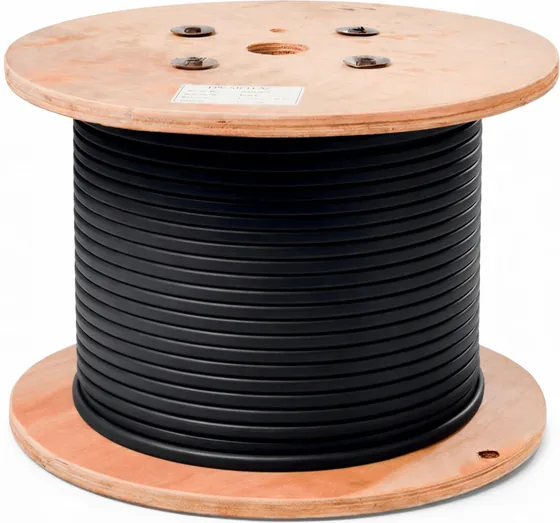 Slab heating cables, dual core
A heating mat under the tiles
In the 1980s and 1990s estates around Mount Annan and Currans Hill the floor is already down. Under tile heating mats lift the finished level by a few millimetres and no more than that.
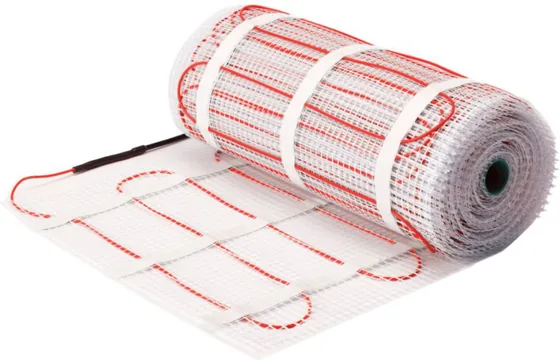 Under tile heating mats
Heating cable in a screed
A room added onto one of the old township houses at Camden or Elderslie is where a screed goes. In screed heating cable sits in that topping, and the mass it adds holds the heat after the circuit stops.
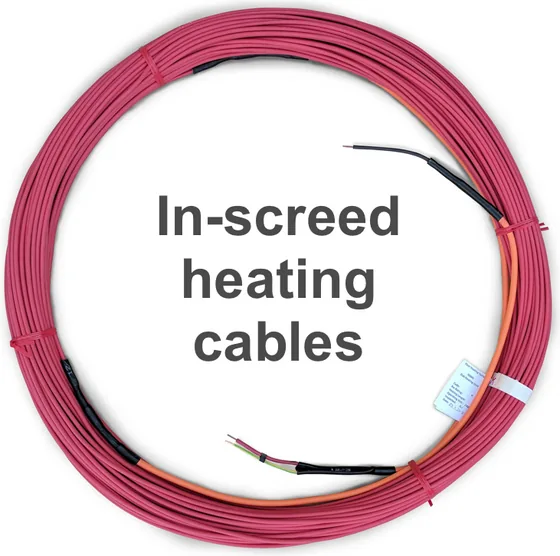 In screed heating cable
Why Camden properties choose us
We arrange installation across Camden and the rest of the Camden area, and we size every job from your floor plans before we quote. Installation is always subject to checking installer availability for your area, and that happens before we agree a day.
How underfloor heating is installed in Camden
Plans first, then a quote
Send us the plans for your new home, renovation, office or hotel. We measure the heated areas from them, calculate the cable size and quote the materials. If you want the installation arranged, a second quote covers the labour. Nothing is ordered and no day is booked until you accept.
Installation day
Once you accept and tell us the job site is ready, we agree a day, subject to checking installer availability. The floor has to be prepared and ready before that day: your own trades handle levelling, waterproofing and anything else above the slab. The contractor lays in screed heating cable, in slab heating cable or under tile heating mats, and fits one of our thermostats. The system is tested with the contractor's equipment before anyone leaves site. Your tiler covers it with the screed or the tile bed.
In a strata building the path is different again
In a New South Wales strata scheme the lot boundary generally sits at the upper surface of the floor. The slab underneath belongs to the building rather than to you. The heating mat goes into the tile bed instead of touching that slab, and nothing is drilled or chased into it. Installing hard flooring, and the wiring and power points that come with it, is a minor renovation under the Strata Schemes Management Act 2015. Waterproofing is carved out of that definition, so a full bathroom rebuild goes to a special resolution rather than an ordinary one. Your builder or project manager deals with the owners corporation, and we build to whatever that approval allows.
A permit to start early, and the lot is getting smaller
Consents issued here in 2026 restrict construction to between 7am and 5pm from Monday to Saturday, with nothing on a Sunday or a public holiday. Working outside those hours needs a permit, charged by the day with a second charge if the notice is short. There is no tradesperson parking permit, because there is no paid parking scheme to need one. A skip on the road goes through a road occupancy permit. Council holds no damage bond at all for a house, a granny flat, a duplex or internal work. What is changing most quickly here is the size of the block. The median vacant lot sold has shrunk by a third since 2001. The smallest residential zone at Catherine Field now has a median of 180m². A smaller footprint means a smaller heated area and a shorter cable run. Send your floor plan and the heated area is worked out from the rooms.
Underfloor heating for Camden homes
Almost no flats, and 3.8 bedrooms on average
Flats are 1.0% of homes here, and not one of them sits in a block of three storeys or more. Separate houses are 92.5%, and 71.6% of all homes have four bedrooms or more, which is first in New South Wales. Only 4.4% have two bedrooms, which is the lowest share in the state. The average home has 3.8 bedrooms and 52.7% of homes carry a mortgage, also first in the state. So in slab heating cable across a whole floor is the usual question here, divided into circuits room by room.
Half of these homes did not exist in 2011
Only 47.9% of the homes standing here in 2021 had been standing in 2011, which is the lowest share anywhere in the state. Gledswood Hills with Gregory Hills went from eight homes to 4,465 across that decade, and Oran Park from 41 to 5,343. Those two are the second and third newest areas of 620 in New South Wales. By contrast only 9% of Mount Annan's homes and 23% of Currans Hill's are post 2011. So in slab heating cable answers Oran Park and under tile heating mats answer a Mount Annan retile.
What the ground asks of a new slab here
Council's growth precinct plan says precautionary salinity controls apply unless a site specific assessment replaces them. Those controls ask for a waterproof membrane under the slab, carried out to the edge beam. They add a 50mm sand bed, 32 MPa or sulphate resisting concrete, a three day cure and 30mm of cover. Council's older plan notes that some areas here carry salinity high enough to damage buildings. On a slope of 15% or more the plan asks for a split level design instead, with cut and fill each held to a metre. In slab heating cable ties into whichever reinforcement the engineer specifies on that lot.
Winter mornings in Camden
Camden Airport stands inside this area at 74m, within a few kilometres of Camden, Elderslie and Narellan.
- July nights
3.1°C at Camden Airport station 068192 inside this area, against 8.1°C at Observatory Hill. A tiled floor sits close to that overnight, and it is the first thing a bare foot meets in the morning.
- Frost
40 nights a year at or below 2°C at Camden Airport and 16 at or below zero, with a low of minus 6.0°C. The overnight low is what decides how cold the floor is at seven in the morning.
- Summer
15 days a year at or above 35°C at Camden Airport, against 3 at Observatory Hill. Heating is a winter item here, and a thermostat on a timer draws nothing for the rest of the year.
- Climate zone
Zone 6 from Camden Park to Oran Park, and the slab allowance it models is 56 megajoules per m² a year. Insulation under the heating is what keeps the warmth in the room, and it is sized from that zone.
Get a free quote in Camden
Tell us what you need done in Camden and we will get back to you with a price as soon as we can. There is no obligation to go ahead.
Services we provide in Camden
New home builds
Home renovations
Bathroom renovations
Apartments
Hotel bathrooms
Office buildings
Cold storage and frost heave
Suburbs we service in Camden and surrounds
We arrange installation across the Camden area and the surrounding localities, and we check installer availability before we agree a day. If your suburb is not listed below, contact us and we will confirm coverage.
Frequently asked questions about Camden
Which floor coverings can go over underfloor heating?
Tiles and stone suit it best, because they pass heat through quickly and take the temperature without trouble. Engineered timber, laminate and vinyl all work where the maker rates them for underfloor heating and gives a maximum surface temperature. Carpet works as well, as long as the carpet and its underlay together are thin enough to let the heat through. Tell us what is going down and we will say which system suits it and what our thermostats are set to.
Can I use my own electrician?
Yes. Plenty of customers buy the heating from us and have their own licensed electrician connect it. Every product is supplied with its own installation guide and your electrician works to that. Our warranty does not depend on who does the installing. It asks for a competent installer, the product's own directions, the wiring rules and an RCD protected circuit.
How can it frost this hard at 74m?
The station records it, and the page quotes the station rather than explaining it. Mount Boyce AWS above Blackheath, at 1,080m, logs the same number of cold nights as Camden Airport does at 74m. What differs is the summer, with 15 days a year at or above 35°C here against about three days in five years at Katoomba. Nobody has published a measured reason for the frost, and under tile heating mats answer the morning anyway.
Am I allowed a slow combustion stove in my estate?
It depends which estate, and the answer genuinely differs. In the Oran Park and Turner Road estates both are prohibited outright. The plan covering Leppington, Catherine Field, Lowes Creek Maryland and Pondicherry carries no such control, and Council's older plan allows them. A compliant heater in a non heritage detached house is exempt from approval under Council's approvals policy. Under tile heating mats and in slab heating cable need no approval and no chimney in any of them.
Is the heating decision different on a new block?
Yes, because the slab is still ahead of you. About 1,552 new houses a year are approved here and only 47.9% of 2021's homes existed in 2011. In a new slab the heating cable is tied to the reinforcement before the pour. There is no tile bed to build up and no height to make back. The catch is the ordering. The benefit of in slab heating cable is a floor with no build up, set out before the concrete is booked.
What does the salinity control ask for on a new slab?
A membrane, a sand bed, the right concrete and enough cover. Council's growth precinct plan asks for a waterproof membrane carried out to the edge beam. It adds a 50mm sand bed, 32 MPa or sulphate resisting concrete, a three day cure and 30mm of cover. It describes those as precautionary and allows a site specific assessment to replace them. In slab heating cable ties into that same steel, so the 30mm of cover is a figure we work to.
Where does the wiring have to sit in a flood area?
A metre above the flood planning level, which is unusually specific. Council's flood policy asks that all wiring, power outlets and switches sit a metre above that level. Wiring below that line has to be suitable for continuous submergence. It also asks that heating and air conditioning systems go above the level as far as possible. No other area we cover names a metre. In slab heating cable is inside the floor, so our thermostat is the only part that has to rise.
Explore our other Sydney service areas
Ready to get started?
Get a free quote for your job in Camden, or call now and speak to someone who can help.