Screed heating cable
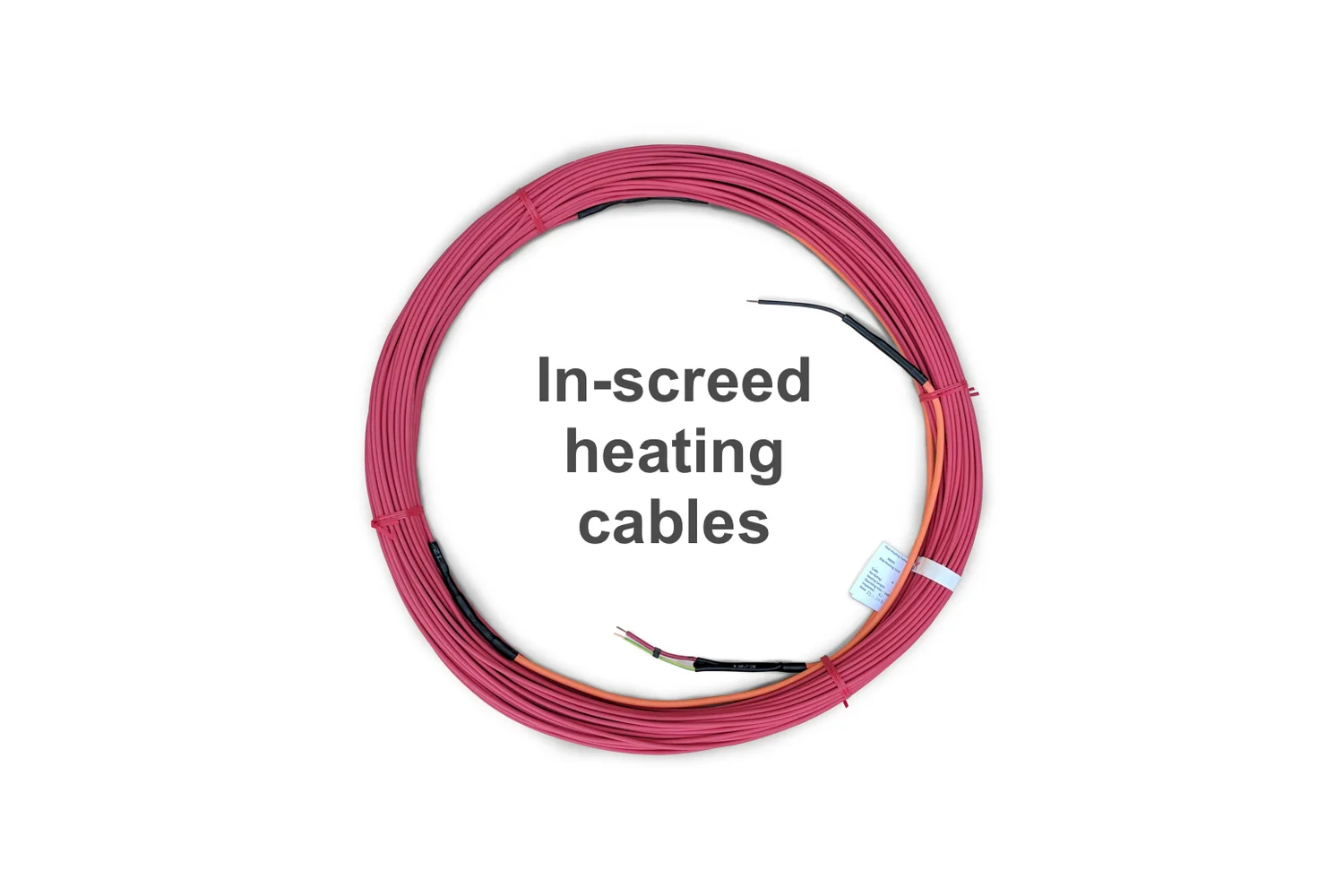
In screed heating cable for a room being renovated, where a new screed is going down over the floor you already have. The cable is tied to a light mesh, the screed goes over it, and your floor covering goes on top. It is Pyrotenax mineral insulated metal sheath cable, which we have sold since the day the business opened.
In stock
Free delivery Australia wide on orders of $100 and over, in 3 to 5 business days. $15 delivery below $100. Or pick up free from Ingleburn. Not sure it is the right part? Call 02 9829 2752.
About the Screed heating cable
In screed heating cable suits a renovation, because it goes down on the floor you already have rather than in a new slab. The heating cable is tied to a light gauge mesh, the screed is laid over it, and your floor covering goes on top.
It is the system for a room that is being gutted, a ground floor being relevelled, or a new extension off an existing house.
This is Pyrotenax mineral insulated metal sheath cable. The conductor sits inside a metal sheath packed with mineral insulation, the same construction used in fire rated wiring. It is rated at 30W per linear metre.
Where in screed heating cable is the right choice
- A renovation where the floor is allowed to rise by the depth of a screed.
- Rooms that are not a simple rectangle. Loose cable can be spaced around a curve or a bay, which a heating mat on a fixed mesh cannot.
- A bathroom where the falls to the waste are being formed in the screed itself.
- An upper floor on a suspended slab, where a cement screed is used.
How the heating cable is installed
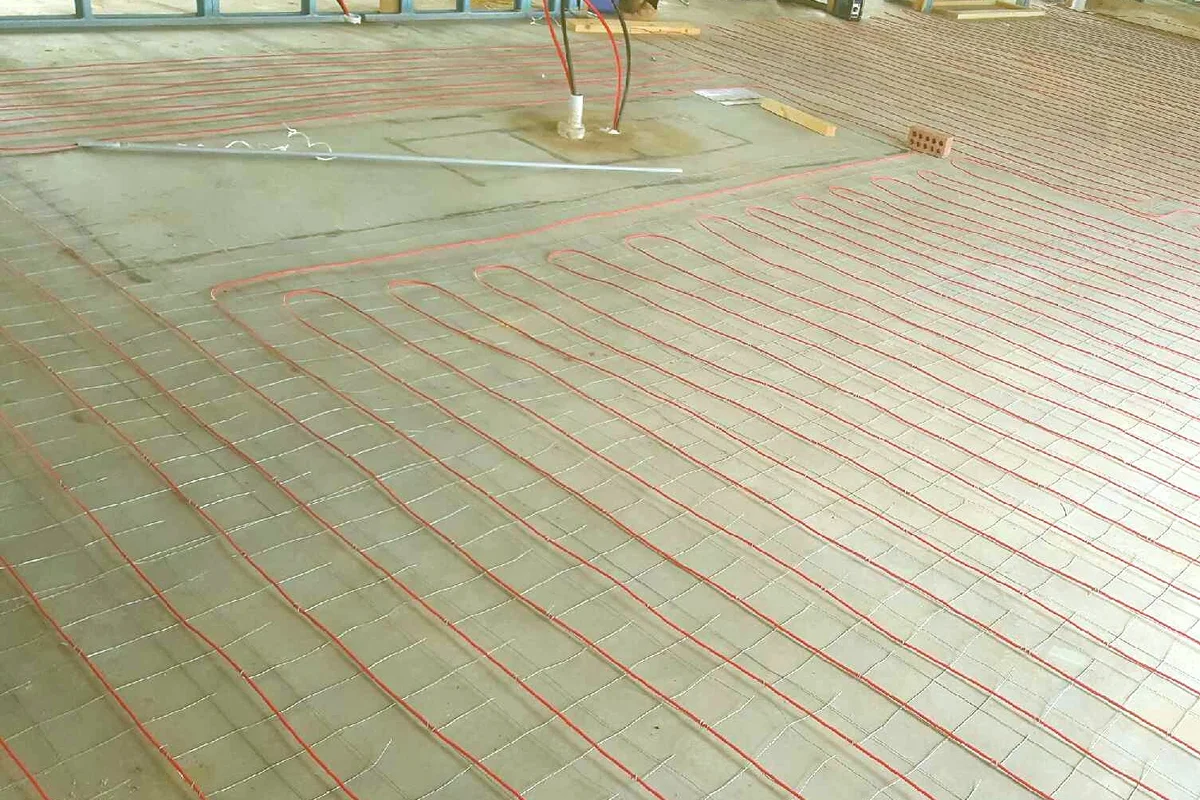
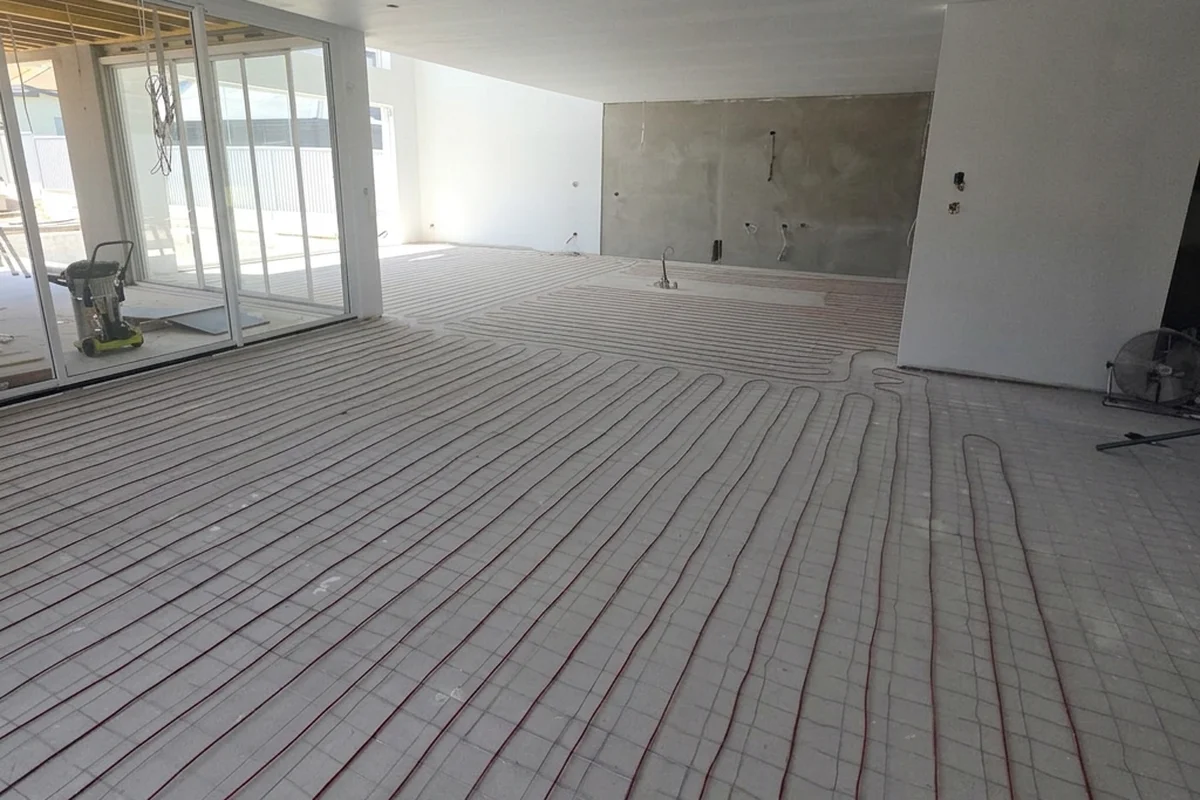
The heating cable is secured to light gauge mesh before the screed goes down, then the screed is laid over it and left to cure. No ducts, fans, consoles or vents are needed anywhere in the room, which frees up the wall and floor space a console heater would take.
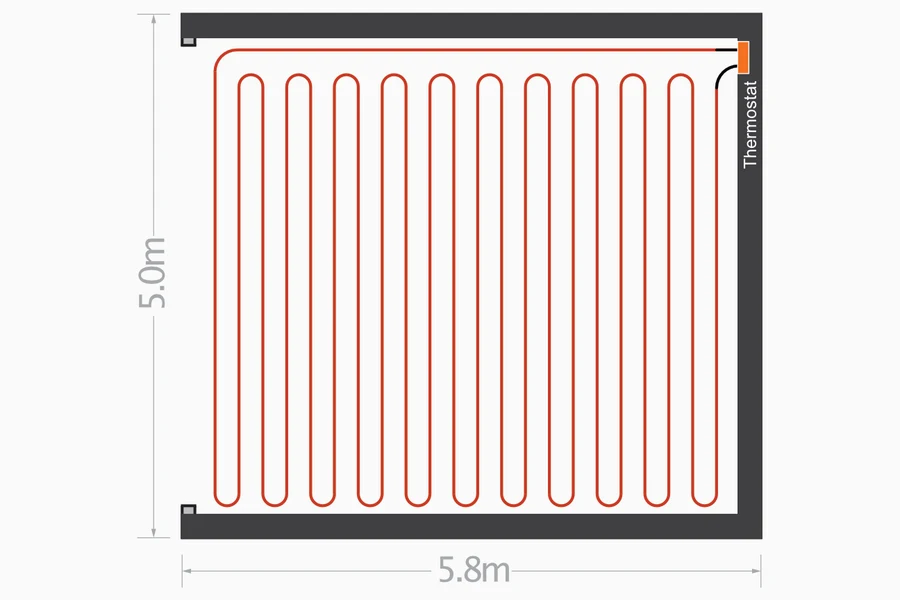
The spacing is worked out from the heating area and the cable length rather than guessed. The cold tail joint finishes inside the screed rather than in the conduit.
Bring it up with your architect, builder or installer while the floor build up is still being decided.
Work out your heating area
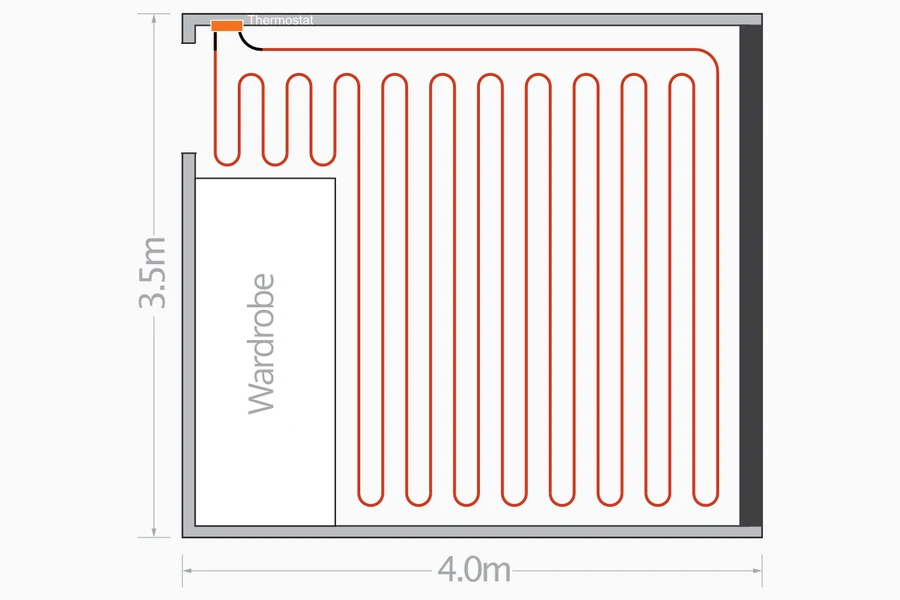
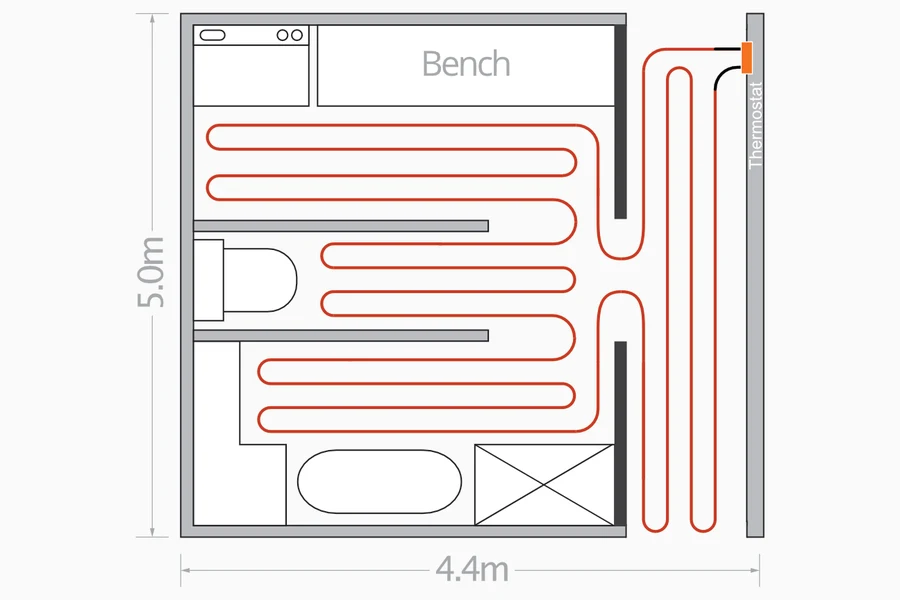
Measure the floor, then deduct the permanent fixtures. Wardrobes, benches, baths and vanities are not heated, so they are not part of the area you are buying cable for.
Compatible floor coverings
A heated screed carries the same finishes an unheated screed does, hard or soft. Every covering below is compatible with our in screed heating cable.
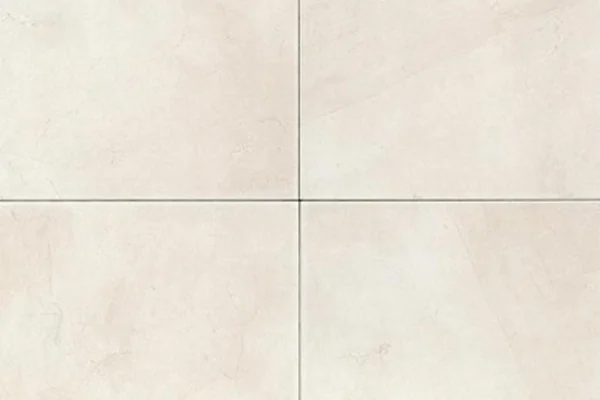 Ceramic tiles
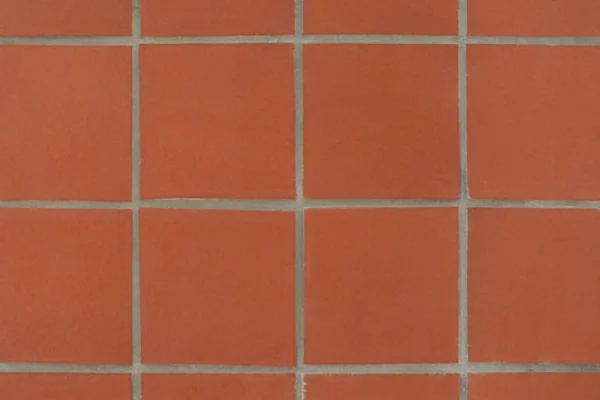 Terracotta tiles
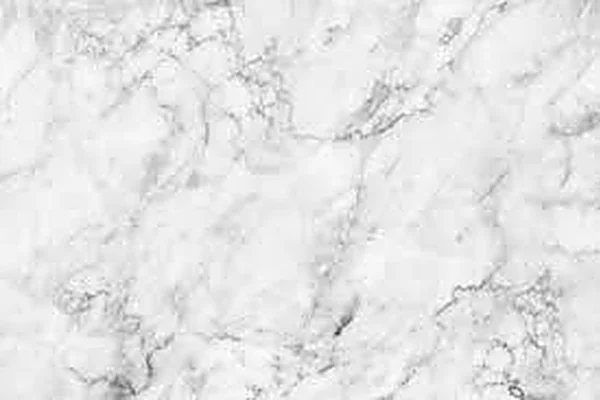 Marble
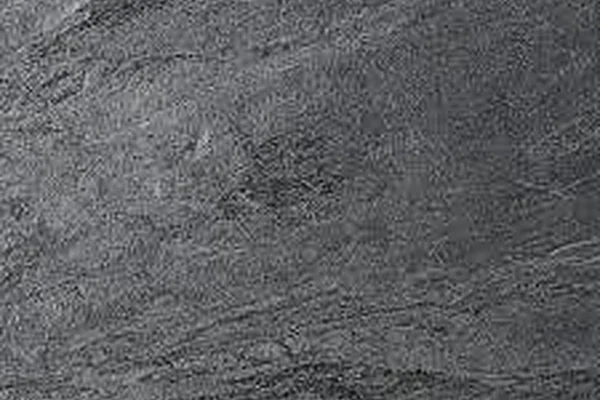 Granite
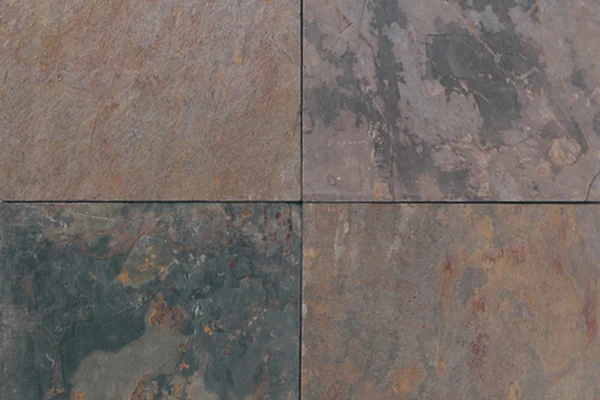 Slate
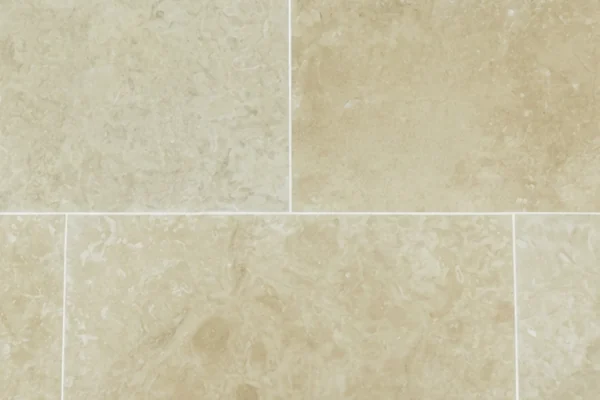 Travertine tiles
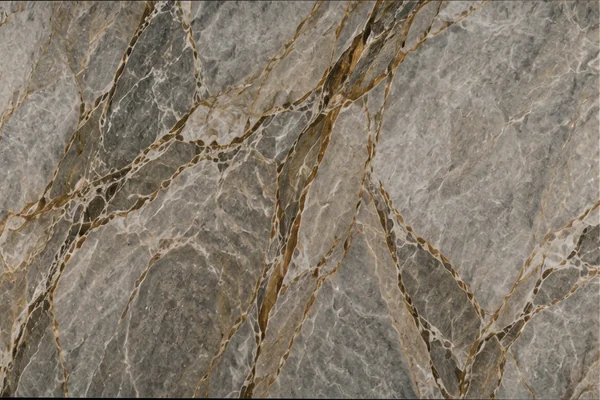 Quartzite floor tiles
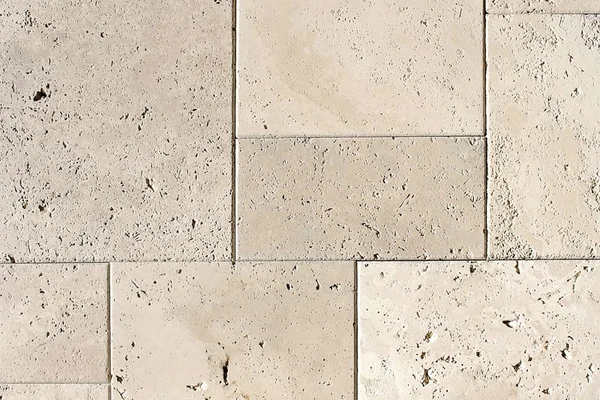 Stone tiles
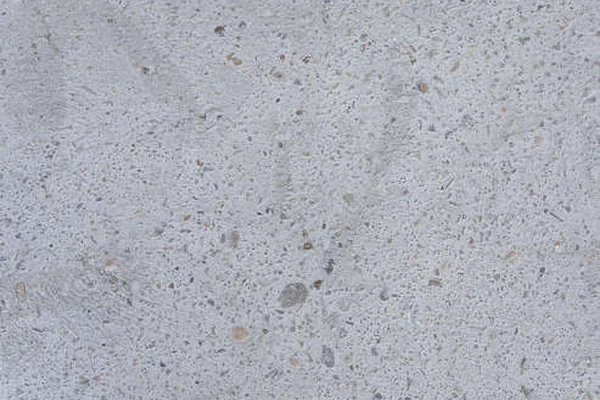 Concrete
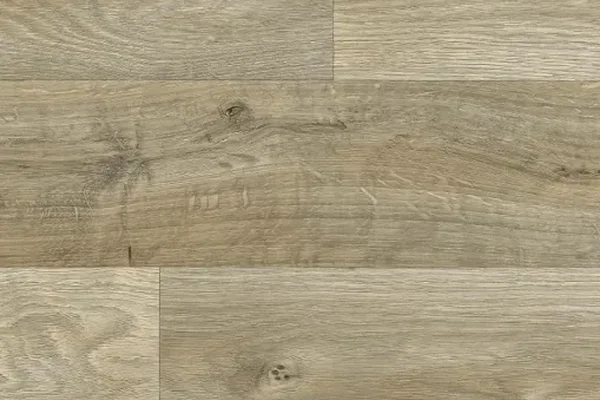 Engineered wood
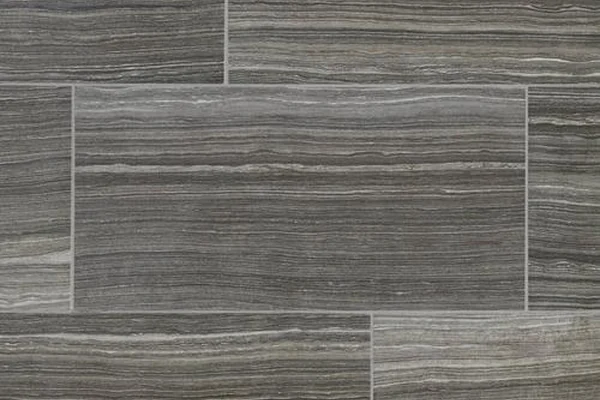 Laminate flooring
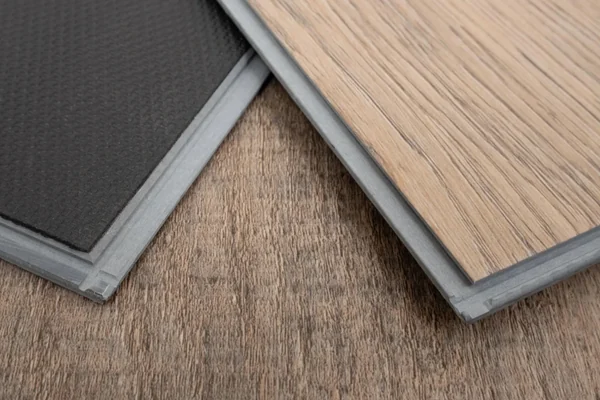 Hybrid flooring
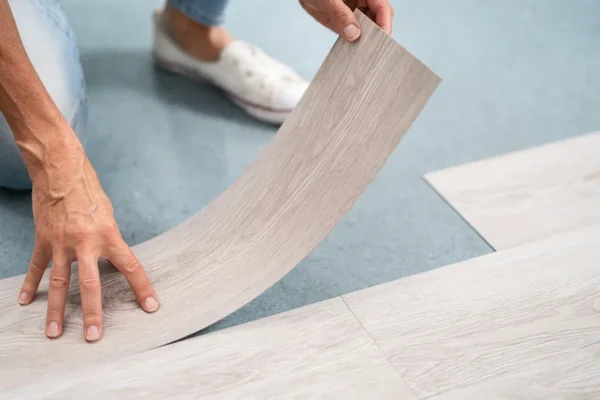 Vinyl flooring
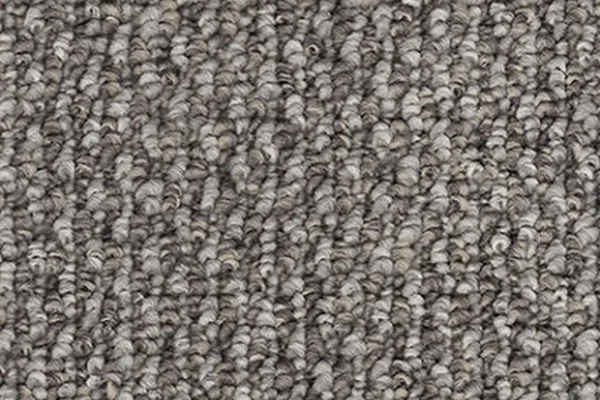 Carpet
Engineered wood is only laid on a fully dry subfloor. That usually means running the heating first to drive the last of the moisture out of the slab before the boards go down.
Some water based latex adhesives soften above 40°C. Where your tiler uses one, the thermostat is set to a maximum of 25°C.
What the warmth is like
A screed holds heat. The floor takes longer to come up than a heating mat does. It stays warm long after the heating cable has switched off, which is what makes a cheaper tariff worth having.
Heat leaves the whole floor surface at once, so the room warms from the feet up rather than from a vent in one corner.
Running it on off peak or time of use
Each room or zone is controlled by its own thermostat, you can vary the temperatures in each room or switch off rooms not in use so you are never paying to heat a room nobody is in.
Where an off peak or time of use tariff is available, the screed can be charged during the cheap hours. It gives that heat back through the day. Check what is available with your electricity retailer, because the tariffs differ by network and some are closed to new customers. Solar connection may be suitable.
Why a heated screed is worth having
- Comfortable and safeNo exposed hot surfaces, no flame and no fumes. A floor sensing thermostat holds the floor at a comfortable temperature, which matters in a home with young children or older residents.
- Nothing to serviceThe heating cable goes under the screed and stays there. There are no moving parts, no filters and no fan, so there is no annual service to book and nothing to replace on a schedule.
- Only the hours you chooseEvery room or zone has its own thermostat and its own hours. Nothing is heated that does not need to be.
- It does not raise your floorWhere a 30mm screed was going down anyway, the heating does not raise the floor height at all. It only raises the height in a room that was not getting a screed.
- Your floor covering is still your choiceThe screed is the layer that matters, not what goes on it, so the covering can be decided after the heating is in. The thermal resistance table above is the one thing to check before you settle on a thick carpet.
- Silent, with no draughtThere is no fan and no airflow, so nothing clicks, hums or blows dust around the room. In a renovation that matters most in the room you sleep in.
Technical details
- Cable type
- Single conductor heating cable with earth sheath
- Construction
- Mineral insulated metal sheath with polyethylene serving, single-stranded conductor
- Rated Voltage
- 240 Volt AC; Rated output 30W per L/M
Cold tail length
- 930w to 4.2kw = 0.5 metre MIMS with 1.7metre orange SDI
- 4.95kw to 6.26kw = 0.5 metre MIMS
- Cable diameter
- 4.5 to 6.7 mm
- Warranty
- 10 years. See the warranty terms.
In screed heating cable. 10 sizes.
| Heating area | Output | Cable length | Stock code |
|---|---|---|---|
| 2.1 to 6.2 m² | 0.93 kW | 31 m | 930 |
| 6.3 to 7.8 m² | 1.18 kW | 39 m | 1180 |
| 7.9 to 9.8 m² | 1.47 kW | 49 m | 1470 |
| 9.9 to 12.5 m² | 1.66 kW | 55 m | 1660 |
| 12.6 to 14.4 m² | 1.97 kW | 65 m | 1970 |
| 14.5 to 16.1 m² | 2.37 kW | 77 m | 2370 |
| 16.2 to 21.0 m² | 2.79 kW | 94 m | 2790 |
| 21.1 to 25.5 m² | 4.2 kW | 130 m | 4200 |
| 25.6 to 37.0 m² | 4.95 kW | 165 m | 4958 |
| 37.1 to 41.6 m² | 6.26 kW | 209 m | 6260 |
Under 2.1m², use an under tile heating mat instead.
Manuals

Warning! Do NOT cut the heating cable, it cannot be shortened or lengthened.
Common questions
How deep does the screed over the cable need to be?
These heating cables are embedded in a cement screed, and that screed needs to be at least 30mm thick. That is the figure to give your screeder or your builder before the floor build up is settled. Thinner than 30mm and there is not enough cover over the heating cable.
Can in screed heating cable go over an existing tiled floor?
Yes, in most cases. In screed heating cable is laid on the floor you already have and covered with a screed, which is why it suits a renovation. The existing floor has to be sound, clean and dry first. Floor preparation, which includes grinding, levelling and removing old adhesive, is arranged before our installation day.
How much floor height does an in screed system add?
On most jobs, none at all. The system is embedded in a cement screed, so where a 30mm screed was going down anyway the heating adds no height of its own. It only costs you height if the floor was not getting a screed in the first place. Even then it is the screed that costs it, not the heating cable.
Which suits a renovation better, in screed cable or an under tile mat?
It depends on how much height the floor can gain. An in screed system adds the screed depth to the build up and a heating mat adds almost nothing. Where door heights are tight, the heating mat wins. In screed heating cable wins on irregular rooms, on floors with falls formed in the screed, and where the floor is being rebuilt anyway.
Can the cable follow a curved wall or an odd shaped room?
Yes. In screed heating cable is loose, so the spacing is set on site. The runs can follow a curve, a bay window or a room that is not square. A heating mat cannot do that, because its heating cable is fixed to the mesh at a set spacing. That is the main reason to choose cable over a heating mat in an older house.
Can I cut the in screed cable to length?
No. The heating cable is never cut and it cannot be shortened or lengthened. The cold tail, which is the unheated lead between the heating cable and the thermostat, is the part that can be adjusted. Work out the heating area first and pick the unit that matches it from the sizing table above.
Does the screed have to cure before I tile?
Yes. A sand and cement screed needs to cure before anything goes over it, and it dries at roughly 1mm a day. Tiling onto a screed that is still wet is what causes tiles to lift later. Your tiler or screeder will give you the figure for the mix they use. The heating stays off until the tiling is finished and grouted.
Which floor coverings can go over in screed heating?
Tile, stone, polished concrete, engineered wood, laminate, hybrid, vinyl and carpet all work over an in screed heating cable. Engineered wood is only laid on a fully dry subfloor. Some water based latex adhesives soften above 40°C. Where your tiler uses one, the thermostat is set to a maximum of 25°C.
Where does the waterproofing go, under the heating or over it?
It depends on the system your waterproofer is using, and it is their call rather than ours. In some bathroom systems the membrane goes under the heating and the heating cable is bonded to it. In others the membrane goes over the cured screed instead. Waterproofing is arranged by your own waterproofer, and nothing is ever screwed through a membrane.
Who can install in screed heating cable?
Floor Heating Systems supplies in screed heating cable anywhere in Australia and arranges installation across Sydney, surrounding NSW and Canberra, subject to checking installer availability. Where we arrange it, the contractor does the work and tests the heating cable before leaving site. You may use your own licensed electrician instead, and we do not supervise their work.
How long does an in screed heating cable last?
We put the working life of the in screed heating cable at over 50 years, and we expect up to 100. The warranty is 10 years, which is a different question from how long it lasts. The warranty is what we put right if the heating cable fails, and the working life is how long we expect it to keep heating.