Slab heating cables
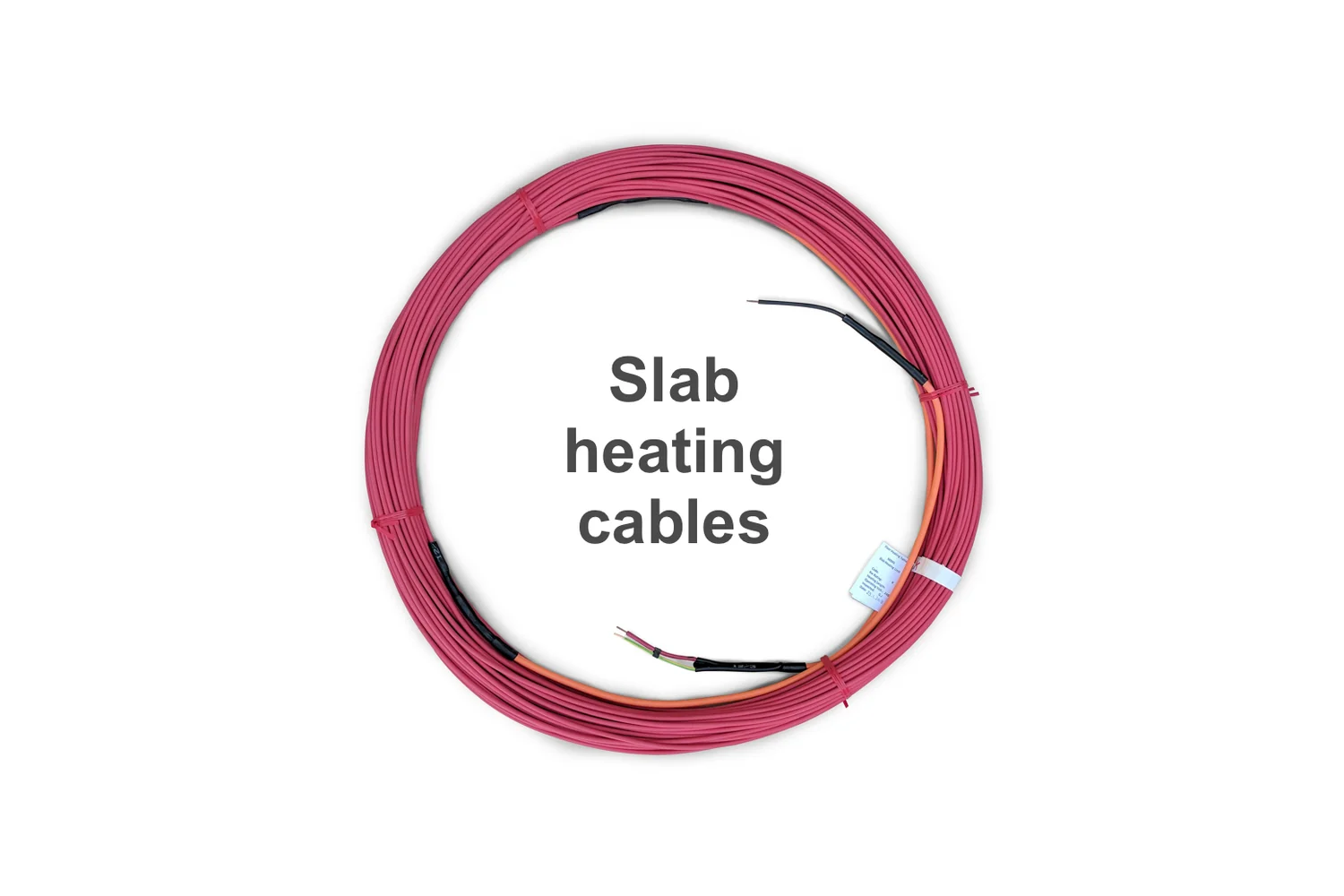
Slab heating cable for a new concrete slab, tied to the reinforcing mesh before the pour so the slab becomes the heater. It is Pyrotenax mineral insulated metal sheath cable at 40W per linear metre, the highest output of the four heating products we sell. A slab is poured once, so this is decided at plan stage rather than later.
In stock
Free delivery Australia wide on orders of $100 and over, in 3 to 5 business days. $15 delivery below $100. Or pick up free from Ingleburn. Not sure it is the right part? Call 02 9829 2752.
About the Slab heating cables
Slab heating cable goes into a new concrete slab before the pour. The heating cable is tied to the reinforcing mesh, the concrete goes over it, and the slab itself becomes the heater.
If you are building a new home or pouring an extension, decide on it now. The slab is poured once, and that is the only moment this system can go in.
This is Pyrotenax mineral insulated metal sheath cable, rated at 40W per linear metre, which is the highest output of the four heating products we sell. No modification to the slab is needed to take it.
Where slab heating is the right choice
- A new house on a slab on ground, decided before the slab is poured.
- An extension, a garage conversion or a knockdown rebuild with a new pour.
- A whole floor rather than one room. A slab is slow and steady, which suits a house lived in through winter rather than a room heated for an hour.
- A polished concrete finish. The heating is inside the slab you are polishing, and a new build is the only time that can be arranged.
How the heating cable goes into the slab
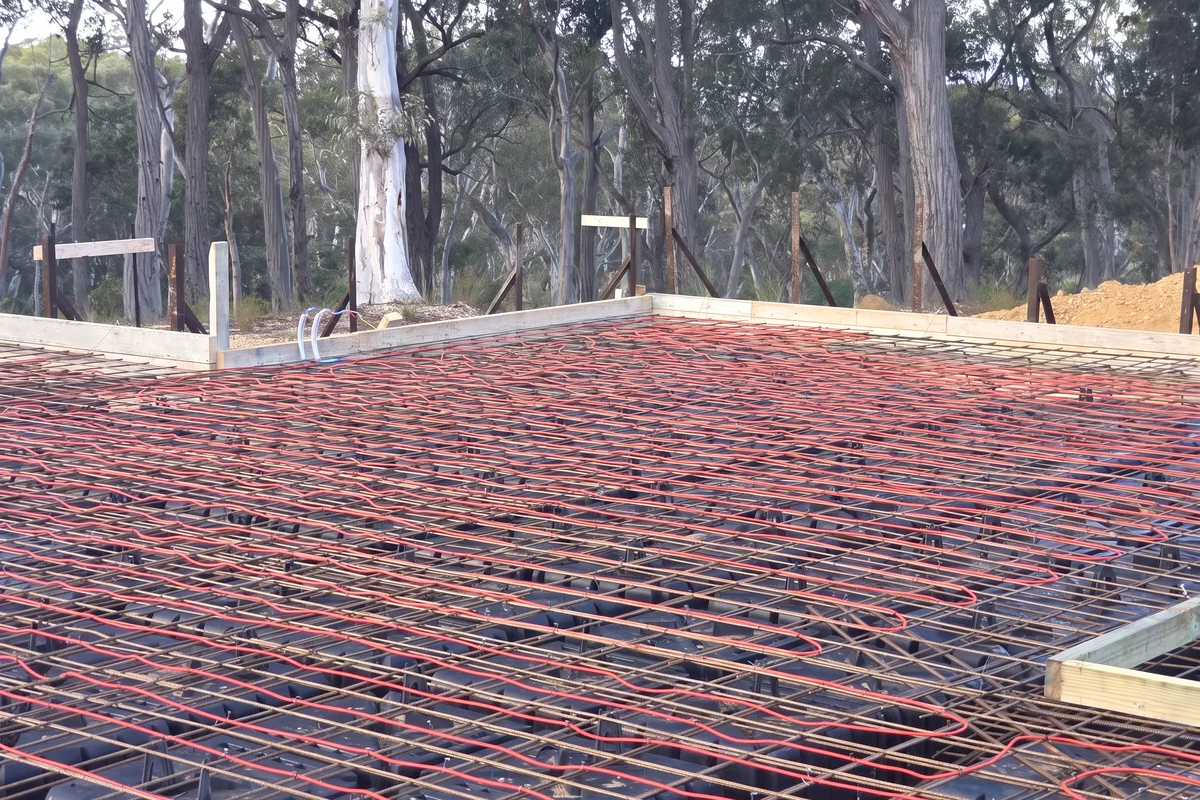
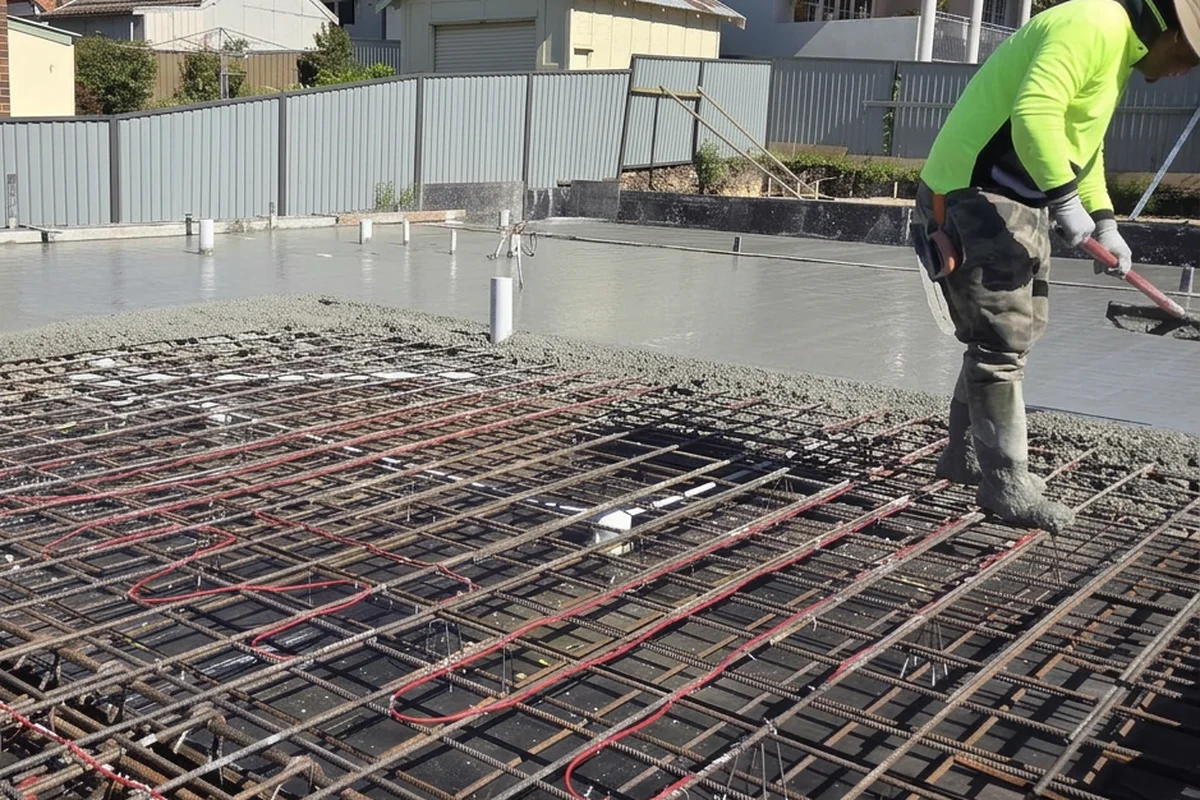
The heating cable is fixed to the top layer of the reinforcing mesh and kept clear of walls and floor fixtures. Everything is finished the day before the pour.
Two conduits with sweeping bends come up the wall at each thermostat position. One takes the cold tail and one takes a capped floor sensor sleeve. The heating cable, the joint and the end termination all finish inside the concrete and are never pulled into the conduit.
Nothing goes in the wall except the thermostat, so there are no ducts, fans, consoles or vents anywhere in the house.
The layout is photographed before the pour goes down. The heating cable is tested before laying, after laying, after the pour, and before the thermostat is wired.
Work out your heating area
Measure each room you want heated and take off the permanent fixtures. Wardrobes and benches are not heated, so they are not part of the area you buy cable for.
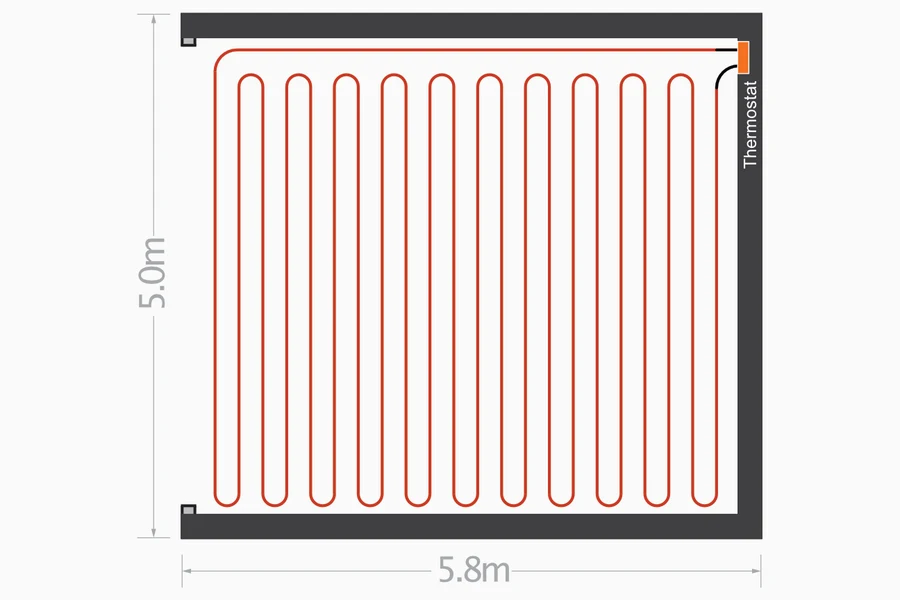
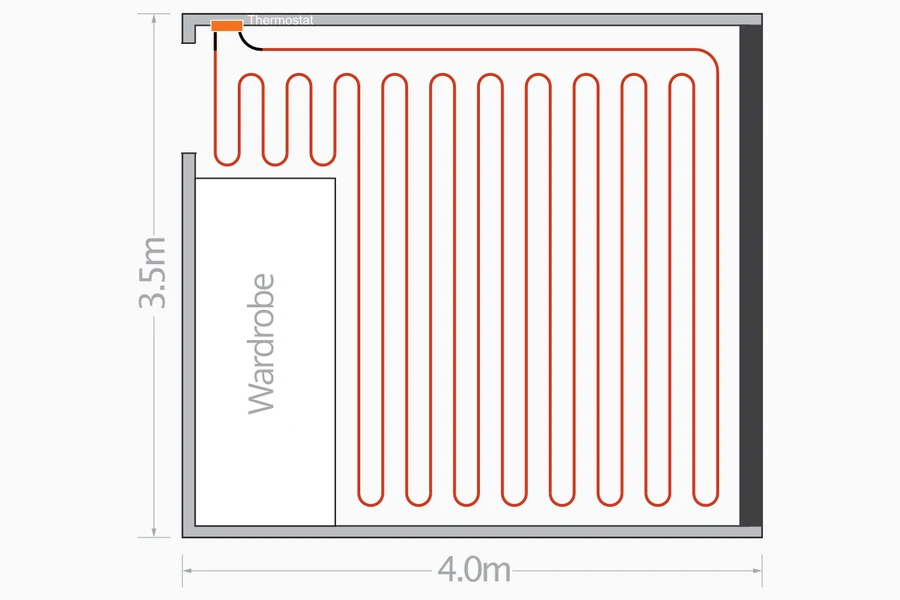
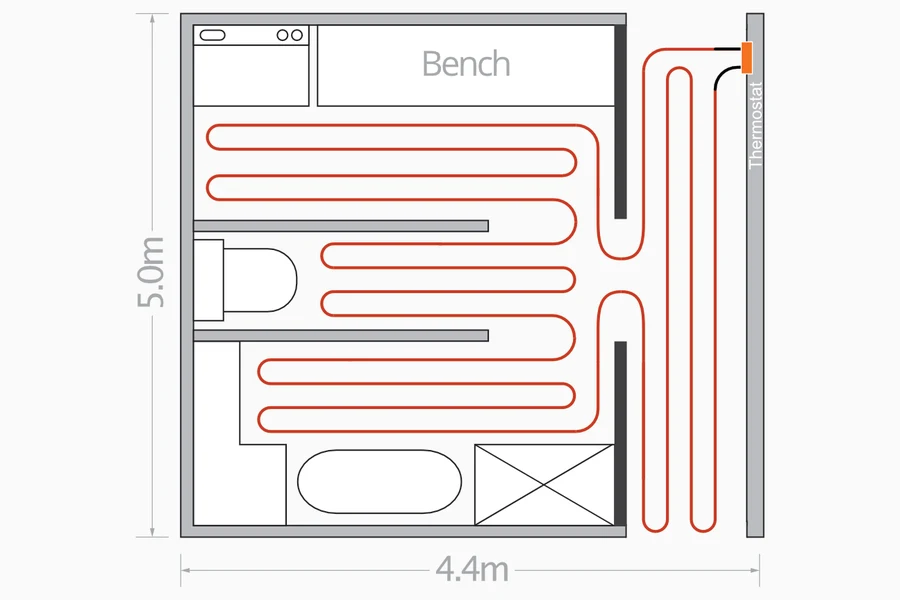
Once you confirm your heating area we can help you match this with a suitable cable size (product)
Compatible floor coverings
A heated slab takes the usual floor finishes, and it is the only one of our systems that can be left as the finished floor. Every covering below is compatible with slab heating cable.
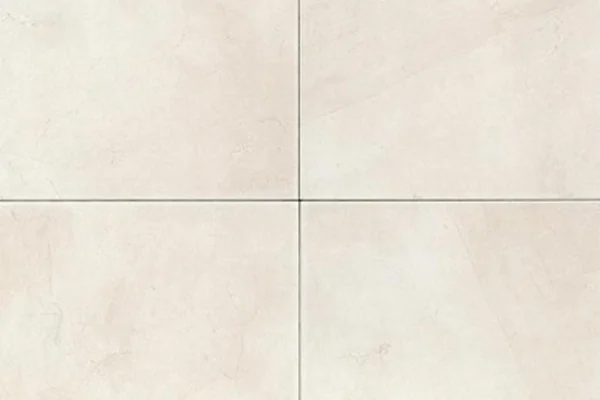 Ceramic tiles
 Terracotta tiles
 Marble
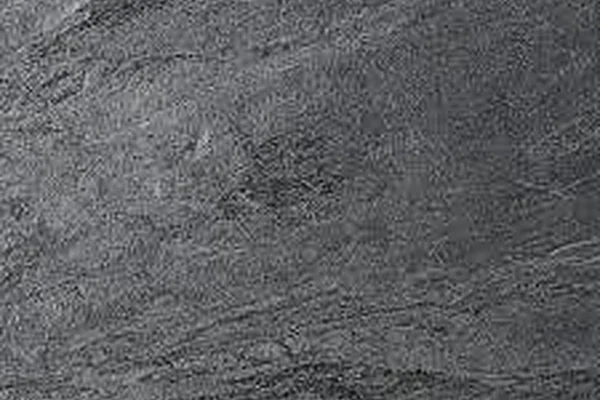 Granite
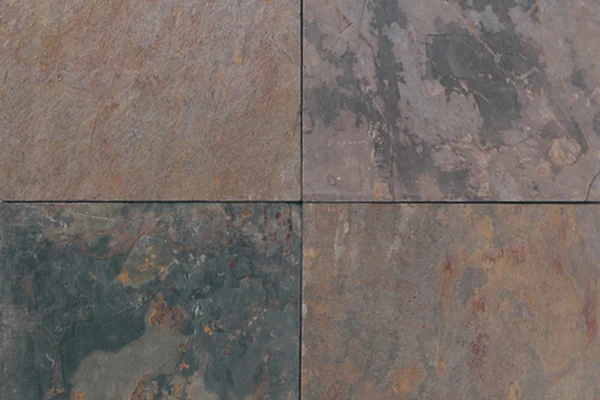 Slate
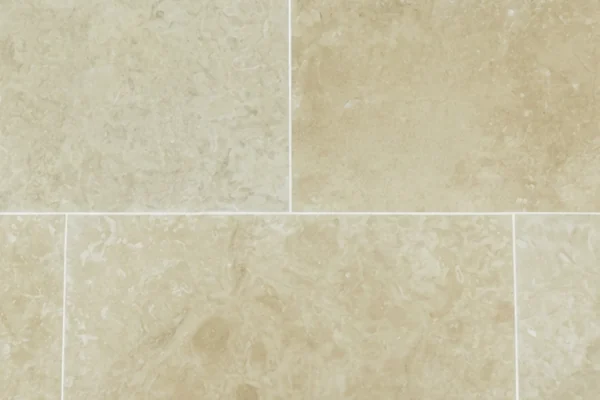 Travertine tiles
 Quartzite floor tiles
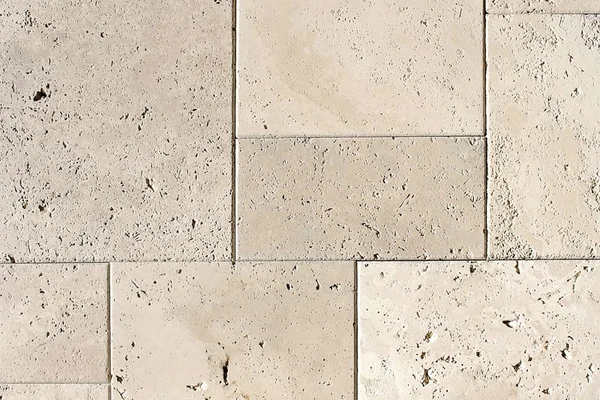 Stone tiles
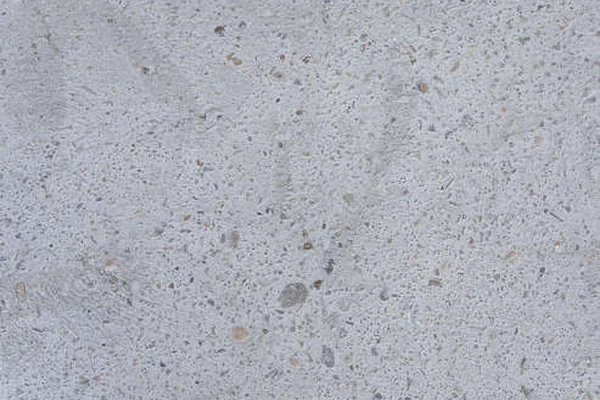 Concrete
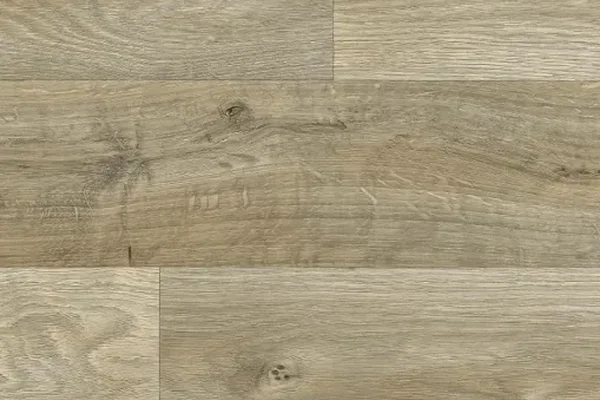 Engineered wood
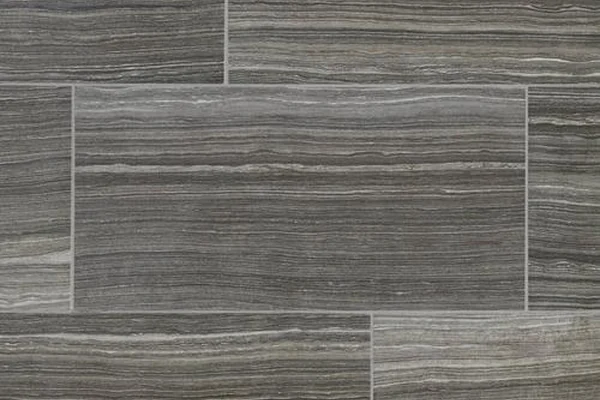 Laminate flooring
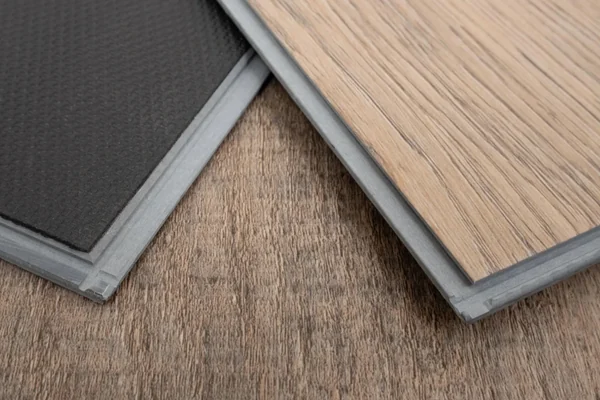 Hybrid flooring
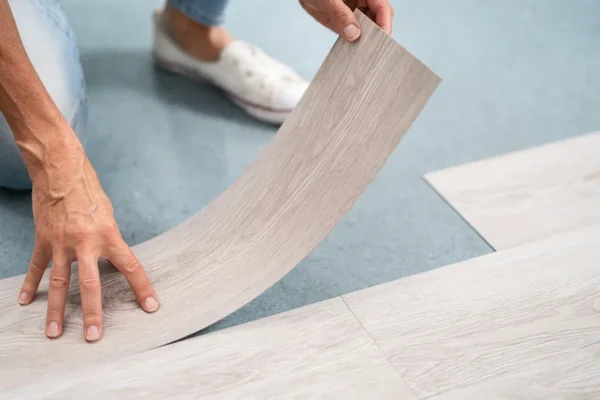 Vinyl flooring
 Carpet
Engineered wood is only laid on a fully dry subfloor. That usually means running the heating first to drive the last of the moisture out of the slab before the boards go down.
Some water based latex adhesives soften above 40°C. Where your tiler uses one, the thermostat is set to a maximum of 25°C.
What the warmth is like
A heated slab is a storage heater. It takes hours to come up and hours to give the heat back. The result is an even temperature from floor to ceiling, rather than a warm ceiling and cold feet.
Warmth arrives underfoot, which is where a room feels cold first.
Running it on off peak
Because the slab stores heat, it can be charged during the cheap hours and left to release it through the day.
Each room or zone gets its own thermostat, so no room is heated that does not need to be. On a normal tariff a time clock does the same job.
Off peak availability differs by network, and some retailers have closed those tariffs to new slab heating customers. Check what yours offers before you plan the house around it. Solar connection may also be suitable.
Why a heated slab is worth having
- Comfortable and safeNo exposed hot surfaces, no flame and no fumes. A floor sensing thermostat holds the floor at a comfortable temperature, which matters in a home with young children or older residents.
- Nothing to service, everThe heating cable is cast into the concrete. There are no moving parts, no filters and no fan, so there is no annual service to book and nothing to replace on a schedule.
- Only the hours you chooseEvery room or zone has its own thermostat and its own hours. Nothing is heated that does not need to be.
- Nothing added to the houseThe heater is the slab you were pouring anyway. The heating cable sits under at least 30mm of concrete and there is nothing in the wall but a thermostat. No room gives up floor space or a wall to a heater.
- Your floor covering is still your choiceTile, stone, polished concrete, timber, vinyl and carpet all work over a heated slab. Polished concrete is the one a new build alone can give you, because there the heated slab is the finished floor.
- Silent, with no draughtNo fan, no airflow and no duct, so nothing clicks, hums or blows dust around the house. The slab holds an even temperature rather than cycling, so there is nothing to hear when it is working.
Technical details
- Cable type
- Single conductor heating cable with earth sheath
- Construction
- Mineral insulated metal sheath with polyethylene serving, single-stranded conductor
- Rated Voltage
- 240 Volt AC; Rated output 40W per L/M
Cold tail length
- 1.1kw to 3.7kw = 0.5 metre MIMS with 1.7metre orange SDI
- 4.5kw to 7.1kw = 0.5 metre MIMS
- Cable diameter
- 4.5 to 6.7 mm
- Warranty
- 10 years. See the warranty terms.
Slab heating cable, single core. 11 sizes.
| Heating area | Output | Cable length | Stock code |
|---|---|---|---|
| 2.5 to 7.0 m² | 1.1 kW | 26 m | 1100 |
| 7.1 to 9.0 m² | 1.4 kW | 32 m | 1400 |
| 9.1 to 11.0 m² | 1.7 kW | 42 m | 1700 |
| 11.1 to 12.5 m² | 2.0 kW | 45 m | 2000 |
| 12.6 to 14.1 m² | 2.4 kW | 53 m | 2400 |
| 14.2 to 16.1 m² | 3.0 kW | 61 m | 3000 |
| 16.2 to 20.5 m² | 3.7 kW | 71 m | 3700 |
| 20.6 to 24.5 m² | 4.5 kW | 91 m | 4500 |
| 24.6 to 29.5 m² | 5.0 kW | 106 m | 5000 |
| 29.6 to 36.5 m² | 6.0 kW | 137 m | 6000 |
| 36.6 to 41.5 m² | 7.1 kW | 175 m | 7100 |
Manuals

Warning! Do NOT cut the heating cable, it cannot be shortened or lengthened.
Common questions
Can slab heating be added to a house that is already built?
No. Slab heating cable is tied into the reinforcing mesh and poured into the concrete. It can only go in while the slab is being built. For a floor that already exists, use in screed heating cable or an under tile heating mat. Both are laid over the floor you already have.
When does the cable have to be installed?
All the heating cable work is finished the day before the concrete pour. The slab is marked out first, showing the heated areas, the walls, the floor fixtures and any planned saw cuts. The layout is photographed before anybody pours over it. Book the installation date once your slab date is set.
How deep does the concrete cover over the cable need to be?
At least 30mm of concrete over the heating cable. The heating cable is tied directly to the reinforcing mesh, so the height the mesh is set at is what sets the cover. On a normal house slab that gives the 30mm. Your concreter sets the mesh and the heating cable follows it.
What stops the cable being damaged during the pour?
The heating cable is tested before laying, after laying and again after the pour. Pumped or chuted concrete is fine. Wheelbarrows have to run on planks on blocks, clear of the mesh. A cable installation monitor is fitted on every job, and it sounds an alarm the moment the heating cable is damaged.
Can I cut the slab heating cable to fit?
No. The heating cable is never cut and it cannot be shortened or lengthened. Only the cold tail, the unheated lead running back to the thermostat, is adjustable. Work out each room's heating area first, then pick the unit that matches it from the sizing table above.
How long after the pour before I can switch it on?
Wait at least 4 weeks after the pour. In practice it is longer, because the house is not finished and a building site usually has no retail meter on it yet. There is nothing to run the heating from. The heating cable itself is tested straight after the pour, which is how we know it came through.
What happens at an expansion or a construction joint?
A separate cable is run either side of the joint rather than one cable crossing it. Saw cuts across a heated area are avoided wherever the design allows it. Where one cannot be avoided, it is marked and kept shallow, with the cable run under the mesh at that point. All of this is settled before the slab is marked out.
Which floor coverings can go over a heated slab?
Tile, stone, polished concrete, engineered wood, laminate, hybrid, vinyl and carpet all work over a heated slab. Polished concrete is the finish a slab suits best, because the heat is already inside it. Carpet and thick underlay slow a slab down, so keep the layers above the heating cable as thin as the room allows.
Who installs slab heating cable?
Floor Heating Systems supplies slab heating cable anywhere in Australia and arranges installation across Sydney, surrounding NSW and Canberra, subject to checking installer availability. Where we arrange it, the contractor lays and tests the heating cable. Your builder's own licensed electrician may do it instead, and we do not supervise their work.
How long does a single core slab heating cable last?
We put the working life of this heating cable at over 50 years, and we expect up to 100. The warranty is 10 years, which is a different question from how long it lasts. A Bellevue Hill house we were asked to look at had in slab heating cable laid when it was built, over 50 years ago. The heating cable passed its test, and the original thermostat was the part that had failed. It was replaced and the floor heating ran again straight away.