Flooring suitable for underfloor heating
Tile, stone, timber, laminate, hybrid, vinyl, carpet and polished concrete all take electric underfloor heating underneath them. What changes between them is how the floor is built up and what the thermostat is set to. Send us your floor plans and we will size the heating for the floor you have chosen.
The key facts
- Every floor finish on this page works over heating we supply and install in Sydney.
- An empty cell means no figure has been published, not that the floor has a problem.
- Under tile heating mats go into the tile bed, so nothing extra sits between the heat and your feet.
- On a carpeted floor the build up above the heater stays under 2.5 tog.
- Engineered timber runs at 25°C maximum, and 24°C is the setting we recommend.
- Allow 24 hours for a floor to come up to temperature when you first switch it on.
Tile and stone
Tile and stone are the floors electric underfloor heating suits best. We lay under tile heating mats into the tile bed, so the heat reaches the surface with nothing in its way. Bathrooms are the job we are asked for most and tile is what nearly all of them use.
Tile and stone
| Floor | Maximum floor temperature | Thermostat | What it needs |
|---|---|---|---|
 Ceramic tiles | No limit set | Floor sensing | The tile bed The mat goes into the adhesive under the tiles. |
 Terracotta tiles | No limit set | Floor sensing | The tile bed |
 Marble | No limit set | Floor sensing | The tile bed Heavier stone takes longer to warm and holds heat longer once it has. |
 Granite | No limit set | Floor sensing | The tile bed |
 Slate | No limit set | Floor sensing | The tile bed |
 Travertine tiles | No limit set | Floor sensing | The tile bed |
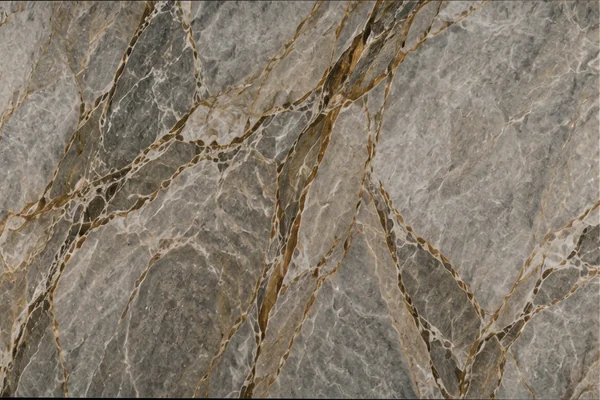 Quartzite floor tiles | No limit set | Floor sensing | The tile bed |
 Stone tiles | No limit set | Floor sensing | The tile bed |
What it means on your job. Tile and stone take the heat straight through, which is why bathrooms are the job we are asked for most.
Timber, laminate and hybrid
Timber and timber look floors all take heating underneath them, and the control is what makes them work. Each one runs to a surface temperature limit, and a floor sensing thermostat is what keeps it there. Engineered wood adds one condition before the boards go down.
Timber, laminate and hybrid
| Floor | Maximum floor temperature | Thermostat | What it needs |
|---|---|---|---|
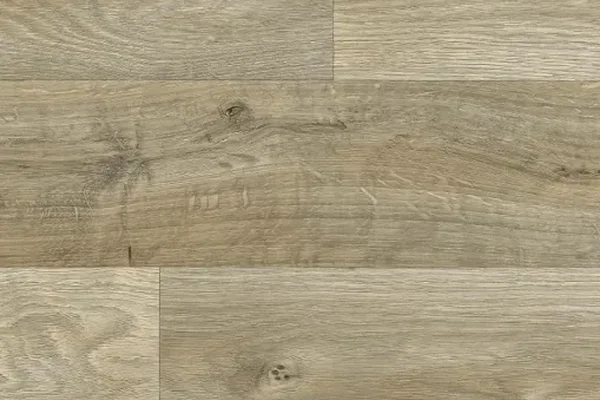 Engineered wood | 25°C 24°C is the setting we recommend. | Floor sensing, required | A fully dry subfloor We run the heating first to drive the last moisture out of the slab. |
 Laminate flooring | 27°C A floating floor with the right underlay. 25°C where a water based latex adhesive is used. | Floor sensing, required | The right underlay |
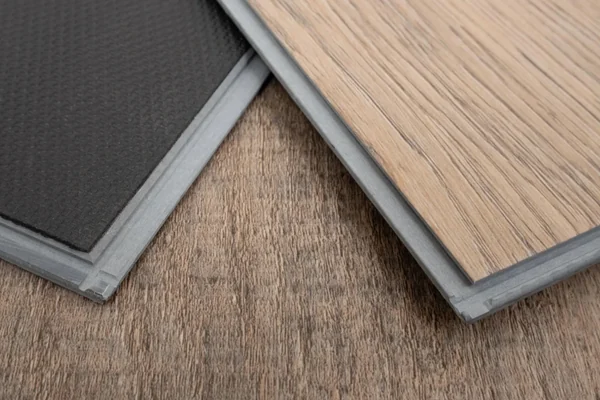 Hybrid flooring | No limit published | Floor sensing | Nothing published beyond the adhesive rule |
What it means on your job. Timber and laminate both work, and both need a floor sensing thermostat holding the surface at or under its limit.
Vinyl and carpet
These two are the floors people assume rule heating out, and neither does. What goes between the heat and your feet decides the setting, not the floor itself. On vinyl that is the adhesive, and on carpet it is the underlay.
Vinyl and carpet
| Floor | Maximum floor temperature | Thermostat | What it needs |
|---|---|---|---|
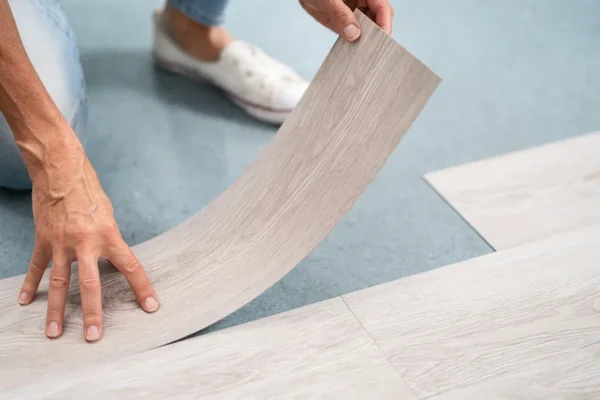 Vinyl flooring | 25°C Where a water based latex adhesive is used. | Floor sensing | The right adhesive Some water based latex adhesives soften or lose their bond above 40°C. |
 Carpet | No limit published | Floor sensing | Under 2.5 tog Carpet and underlay together, measured above the heater. |
What it means on your job. Carpet and vinyl both work, and what sits above the heater is what decides the setting.
Polished concrete
Concrete is the one floor where the heating is not under the surface at all. The cable is cast into the slab, so the floor you walk on is the heater. That makes it the only one decided before anything is built.
Polished concrete
| Floor | Maximum floor temperature | Thermostat | What it needs |
|---|---|---|---|
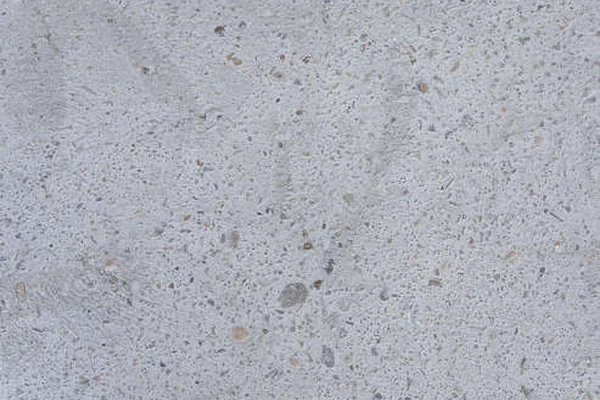 Concrete | No limit set | Floor sensing | The slab, before the pour In slab heating cable is tied to the mesh and cast in. |
What it means on your job. Polished concrete is heated inside the slab, so a new home is the only chance to do it.
Thermal resistance
A heated floor has to push its heat up through whatever is laid over it. Some coverings hold that heat back far harder than others, and the figures below are the measure of it. The lower the number, the less the covering stands between the heater and your feet. It is a comparison rather than the list of what we heat, so it names a few coverings the sections above do not.
| Floor covering | Thickness | Thermal resistance °C/W |
|---|---|---|
| Vinyl tiles | 2mm | 0.003Low |
| Ceramic tiles | 5mm | 0.008Low |
| 15mm | 0.018Low | |
| Cork tiles | 5mm | 0.059Medium |
| Carpet* | 10mm pile on rubber underlay | 0.33High |
| 15mm fibre underlay | 0.4High | |
| Engineered wood | 10mm | 0.065Medium |
*Foam rubber underlay is not recommended. Rubber underlay suits a heated floor better than a thick fibre underlay: at the thicknesses sold, rubber has a slightly lower thermal resistance than felt. Rubber underlay should be made with air bubbles, no thicker than 5mm, and have a corrugated profile.
Common questions
Can you put underfloor heating under carpet?
Yes. We install underfloor heating under carpet, and the limit is what sits above the heater rather than the carpet itself. Carpet and underlay together stay under 2.5 tog. A thicker underlay slows the floor down, so the heating comes on earlier to reach the same temperature at the same hour. Send your floor plans and we will tell you what the build up allows.
Can you put underfloor heating under timber floors?
Yes. We install underfloor heating under engineered timber, and the control is what makes it work. The floor surface is set to a maximum of 25°C, and 24°C is the setting we recommend. A floor sensing thermostat runs it, so the floor rather than the room decides. Engineered wood goes down on a fully dry subfloor, which usually means running the heating first.
Can you put underfloor heating under vinyl?
Yes. We install underfloor heating under vinyl and hybrid floors, and the adhesive decides the setting rather than the vinyl. Some water based latex adhesives soften or lose their bond above 40°C, so the floor is held at 25°C maximum where one is used. A floor sensing thermostat keeps it there. Hybrid flooring is a floating floor with no limit published.
What flooring is best for underfloor heating?
Tile and stone warm fastest and hold heat longest, which is why bathrooms are the job we are asked for most. Every floor finish on this page works, so the question is usually what you want underfoot rather than what the heating allows. Carpet and timber both work with a temperature limit and the right build up above the heater.
Can you put rugs and furniture on underfloor heating?
Yes. Rugs, bean bags and fixed furniture can all sit on a heated floor. What matters is airflow, since heat trapped under something solid has nowhere to go. Furniture that stands on feet is the better choice, and it helps spread the warmth through the room. Keep rugs thinner than 25mm.
Can you change your flooring later with underfloor heating?
Yes. A floating floor or a glued down covering lifts away from the floor. In slab cable is cast into the slab, so the finish above it can be changed without touching the heating. However, an under tile mat sits in the adhesive and screed the tiles are laid on. Taking those tiles up damages it, so the mat is replaced with them.
Does the flooring change the running cost?
Yes. A floor that insulates slows the heat down, so the heating runs longer to reach the same temperature. Carpet and underlay do this more than tile. Allow 24 hours for a floor to come up to temperature when you first switch it on, whatever is on top. Our electricity cost calculator works the sums through for your own rate.
Not sure what your floor allows?
Tell us what is going down and what is under it now, and we will tell you which system it takes and what the thermostat is set to.
This page was last updated 28 October 2026.